Water Damage to Mold Growth: The 24-48 Hour Timeline
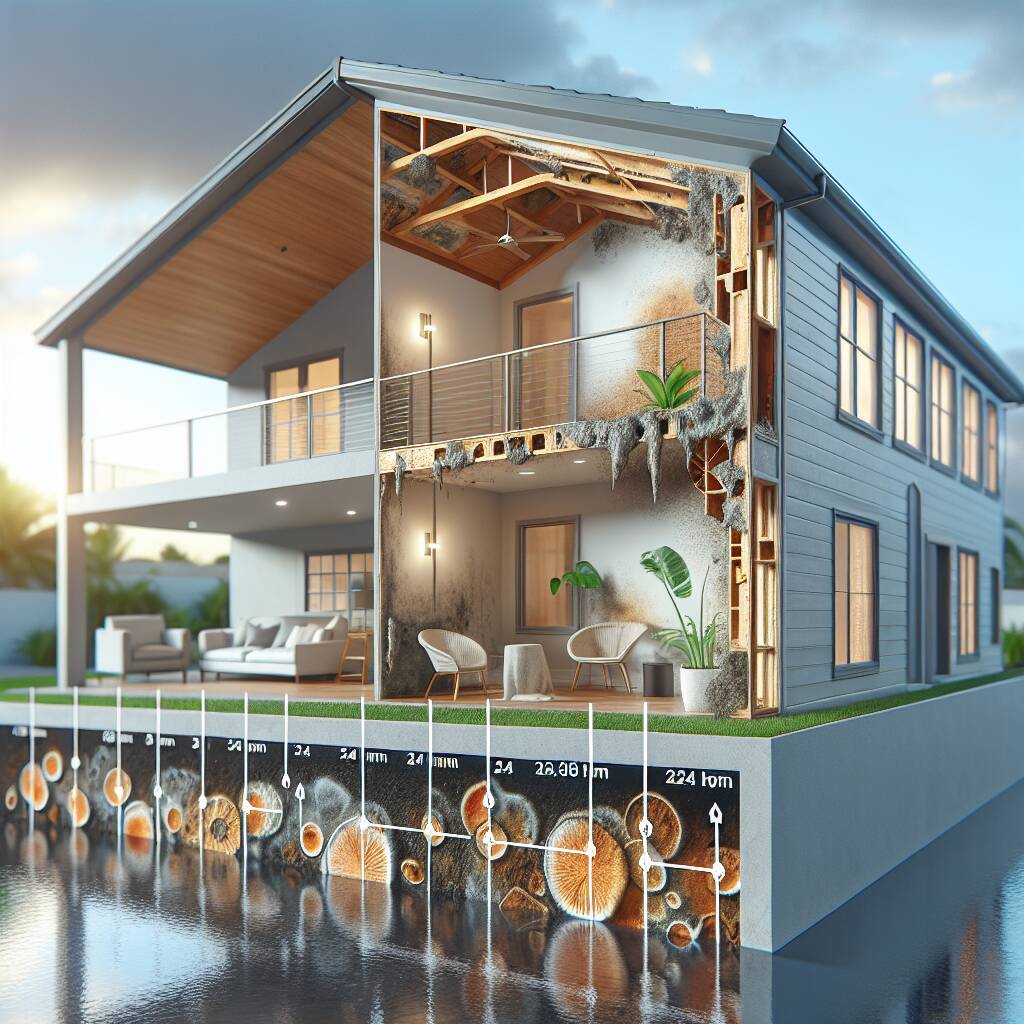
Learn how water damage leads to mold growth in Florida's humid climate. Discover the critical 24-48 hour window and prevention strategies for homes and businesses.
The Critical Connection: Water Damage and Mold Growth in Florida
Florida’s warm, humid climate creates a perfect storm for mold growth following water damage incidents. Whether you’re dealing with hurricane flooding in Miami, burst pipes in Fort Lauderdale, or roof leaks in West Palm Beach, understanding the critical 24-48 hour timeline can mean the difference between a manageable cleanup and a costly mold remediation project.
The relationship between water damage and mold growth isn’t just about inconvenience—it’s about protecting your health, property value, and financial investment. In Florida, where humidity levels regularly exceed 60% and temperatures remain consistently warm, this timeline becomes even more compressed and critical for homeowners and business owners alike.
Understanding Mold’s Rapid Development Cycle
The Science Behind Quick Mold Growth
Mold spores exist naturally in Florida’s environment, floating invisibly through the air and settling on surfaces throughout your property. These dormant spores only need three things to begin their rapid transformation into visible colonies: moisture, food sources, and favorable temperatures.
In Florida’s climate, temperature requirements are almost always met, with indoor temperatures typically ranging between 70-80°F year-round. Organic materials—including drywall, wood framing, carpeting, and even dust—provide abundant food sources. The only missing ingredient is usually sufficient moisture, which water damage readily provides.
Hour-by-Hour Breakdown of Mold Development
Hours 0-24: The Critical Window During the first 24 hours following water damage, mold spores begin absorbing moisture and swelling. While not yet visible, biological activity increases dramatically. Materials like drywall, insulation, and carpeting start becoming saturated, creating expanding zones of favorable conditions.
Hours 24-48: Germination Begins Between 24-48 hours, mold spores begin germinating under optimal conditions. Tiny hyphal threads start extending from spores, beginning the formation of what will become visible mold colonies. This process accelerates in Florida’s warm environment.
Hours 48-72: Visible Growth Emergence After 48 hours, particularly in Florida’s humid conditions, mold colonies may begin appearing as small spots or discolored patches. Musty odors often become detectable during this phase, indicating significant biological activity.
Beyond 72 Hours: Established Infestation After three days, mold colonies become well-established and begin producing additional spores, expanding the contamination area and making remediation more complex and expensive.
Florida-Specific Risk Factors That Accelerate Mold Growth
Climate Challenges Across the State
Florida’s diverse microclimates present unique challenges for different regions. In Boca Raton and other coastal areas, salt air combined with high humidity creates particularly aggressive conditions for both water damage and subsequent mold growth. Inland areas face different challenges, including afternoon thunderstorms that can drive moisture into building envelopes.
The state’s hurricane season, running from June through November, presents the highest risk period for widespread water damage. During Hurricane Ian in 2022, insurance claims for water damage exceeded $10 billion statewide, with a significant portion requiring subsequent mold remediation services.
Building Construction Considerations
Many Florida homes and businesses utilize construction materials that can accelerate mold growth timelines. Concrete block construction, while hurricane-resistant, can trap moisture against organic materials like drywall and insulation. Additionally, many properties built during rapid development periods may have inadequate vapor barriers or ventilation systems.
Older properties in historic areas of cities like Miami and West Palm Beach may have even greater vulnerabilities, with aging materials and outdated moisture management systems that can reduce the critical response window from 48 hours to as little as 24 hours in some cases.
Immediate Action Steps: The First 24 Hours
Water Extraction and Source Control
The moment you discover water damage, your first priority must be stopping the water source and beginning extraction. Whether dealing with a burst pipe, roof leak, or flooding, every minute counts in Florida’s climate.
For minor incidents affecting less than 10 square feet, homeowners can often manage initial response using wet vacuums, fans, and dehumidifiers. However, larger incidents require professional water extraction equipment capable of removing water from materials like concrete and subflooring.
Documentation and Safety Assessment
Before beginning cleanup efforts, document all damage thoroughly with photographs and videos. This documentation proves crucial for insurance claims and helps professionals assess the scope of necessary remediation.
Assess safety hazards including electrical risks, structural damage, and potential contamination from sewage or chemical sources. Any water damage involving contaminated sources requires professional remediation regardless of size.
Environmental Controls
Immediately increase ventilation and begin dehumidification efforts. In Florida’s humid climate, simply opening windows may not be sufficient and could actually introduce additional moisture. Use fans to create airflow and deploy dehumidifiers to bring relative humidity below 60%.
Remove wet materials that cannot be effectively dried within 24-48 hours, including carpeting, padding, and porous materials like particle board furniture.
The 24-48 Hour Window: Maximum Impact Actions
Professional Assessment Timing
The 24-48 hour window represents your optimal timeframe for professional intervention. Mold inspection services during this period can identify hidden moisture areas and assess whether visible mold growth has begun.
Professional moisture detection equipment can identify water intrusion in wall cavities, under flooring, and in other hidden areas where mold growth often begins before becoming visible in living spaces.
Advanced Drying Techniques
Professional water damage restoration companies utilize industrial-grade equipment including truck-mounted extractors, high-velocity air movers, and commercial dehumidifiers. These tools can reduce drying time from days to hours, effectively preventing mold growth.
Thermal imaging cameras help identify moisture in building materials that appears dry on the surface but retains water internally. This technology proves particularly valuable in Florida’s concrete block construction where moisture can penetrate deep into materials.
Preventive Antimicrobial Treatment
During the critical 48-hour window, preventive antimicrobial treatments can be applied to surfaces and materials at risk for mold growth. These treatments create hostile environments for mold spores while materials complete the drying process.
Beyond 48 Hours: When Prevention Becomes Remediation
Identifying Early Mold Growth
After 48 hours, your focus shifts from prevention to early detection and intervention. Visual inspection should include checking behind furniture, inside cabinets, and around HVAC systems where mold growth often begins.
Musty odors often indicate mold growth before visual signs appear. Trust your nose—if you detect unusual odors after water damage, professional mold testing can confirm presence and identify specific species.
Professional Remediation Protocols
Once mold growth begins, remediation follows strict protocols established by the Institute of Inspection, Cleaning and Restoration Certification (IICRC) and Florida state regulations. These protocols include containment procedures, personal protective equipment requirements, and specific disposal methods for contaminated materials.
Professional remediation becomes legally required in Florida for projects exceeding certain thresholds and when dealing with toxic mold species like Stachybotrys chartarum (black mold).
Long-term Prevention Strategies
Building Envelope Improvements
Long-term mold prevention requires addressing underlying moisture management issues. This includes improving roof drainage, sealing penetrations, and upgrading vapor barriers. In Florida’s climate, these improvements provide critical protection during the inevitable next water intrusion event.
Consider upgrading to mold-resistant materials during renovation projects. Mold-resistant drywall, flooring, and insulation materials can extend your response window and reduce remediation costs following future water damage events.
Environmental Monitoring
Install moisture monitoring systems in high-risk areas including basements, crawl spaces, and around HVAC equipment. These systems can provide early warning of moisture intrusion before significant damage occurs.
Regular maintenance of HVAC systems, including duct cleaning and drain pan maintenance, prevents many water damage incidents that lead to mold growth.
When to Contact Professional Help
Size and Scope Thresholds
Florida building codes and health regulations specify when professional remediation becomes necessary. Generally, any water damage or mold growth exceeding 10 square feet requires professional attention. However, given Florida’s climate challenges, consider professional consultation for any water damage in critical areas like HVAC systems or structural components.
Health and Safety Considerations
Contact professionals immediately if anyone in the building experiences respiratory symptoms, allergic reactions, or other health issues following water damage. Certain mold species common in Florida can produce serious health effects, particularly for sensitive individuals.
Insurance and Legal Requirements
Many insurance policies require professional documentation and remediation for coverage approval. Additionally, commercial properties and rental units face legal liability issues that make professional remediation essential for protection against future claims.
Protecting Your Florida Property Investment
Understanding the 24-48 hour timeline from water damage to mold growth empowers you to protect your property investment and your family’s health. In Florida’s challenging climate, this knowledge becomes even more critical as the warm, humid conditions accelerate every stage of the mold development process.
Remember that every water damage incident is unique, and professional assessment during the critical first 48 hours can save thousands of dollars in remediation costs while protecting your property’s value and your family’s health.
Don’t let water damage become a mold problem. If you’re dealing with water damage in your Florida home or business, contact our certified mold remediation specialists at 1-877-438-0914 for immediate assessment and professional intervention. Our experienced team understands Florida’s unique climate challenges and can help you navigate the critical first 48 hours to prevent mold growth and protect your investment.
Frequently Asked Questions
How quickly can mold grow after water damage in Florida?
What should I do immediately after water damage to prevent mold?
Why does mold grow faster in Florida than other states?
Can I prevent mold growth if I act within 48 hours?
When should I call a professional mold remediation company?
Have Water Damage or Mold?
Tell us about your emergency and get immediate help. Serving Palm Beach, Broward & Miami-Dade 24/7.
Tell Us About Your Water Emergency