
Toxic Mold vs Common Mold: Understanding the Differences
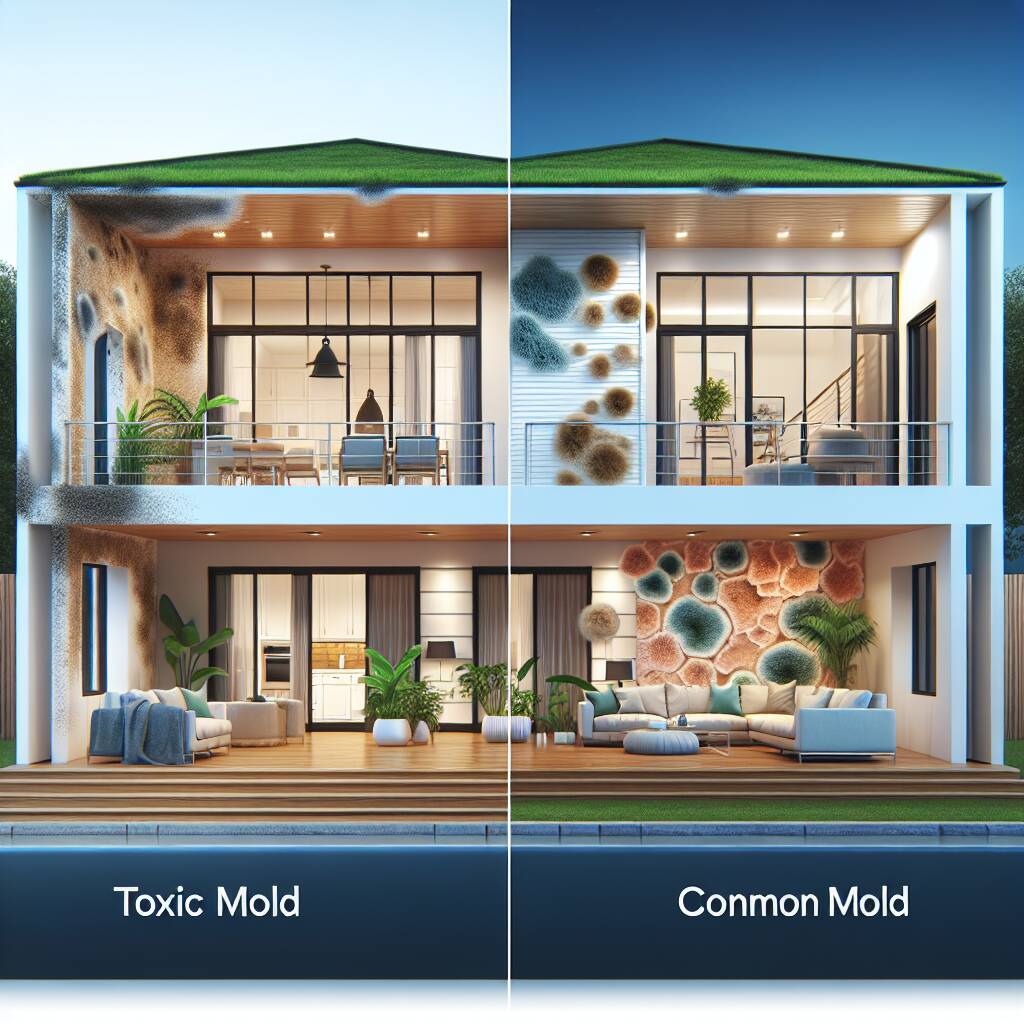
Learn to identify toxic mold vs common mold in Florida homes. Expert guide covers health risks, identification, and professional remediation solutions.
Understanding Mold in Florida’s Climate
Florida’s year-round humidity and frequent storms create the perfect breeding ground for mold growth. While finding mold in your home or business can be alarming, not all mold poses the same level of threat. Understanding the critical differences between toxic mold and common mold can help you make informed decisions about your family’s health and your property’s safety.
In South Florida cities like Miami, Fort Lauderdale, and West Palm Beach, where humidity levels regularly exceed 70%, mold growth is an inevitable reality for property owners. The key is knowing when you’re dealing with a minor inconvenience versus a serious health hazard that requires immediate professional intervention.
What Makes Mold “Toxic”?
The term “toxic mold” refers to mold species that produce mycotoxins - poisonous compounds that can cause serious health problems in humans and animals. These microscopic toxins become airborne and can be inhaled, ingested, or absorbed through the skin, leading to a range of acute and chronic health issues.
Mycotoxin Production
Not all mold species produce mycotoxins, and even those that can don’t always do so. Mycotoxin production depends on several factors including:
- Environmental conditions (temperature and humidity)
- Available food sources
- Competing microorganisms
- Stress factors affecting the mold colony
In Florida’s consistently warm and humid environment, conditions are often ideal for mycotoxin production, making toxic mold species particularly dangerous in our state.
Most Dangerous Toxic Mold Species in Florida
Stachybotrys chartarum (Black Mold) Often called “black mold,” this species produces some of the most dangerous mycotoxins. It thrives on materials with high cellulose content like drywall, paper, and wood - common building materials in Florida homes.
Aspergillus This genus includes several toxic species commonly found in Florida. Aspergillus produces aflatoxins, among the most carcinogenic substances known. It frequently grows on stored foods, HVAC systems, and water-damaged materials.
Fusarium Particularly problematic in flood-prone areas like Boca Raton and coastal Miami, Fusarium grows rapidly on wet materials and produces trichothecene mycotoxins.
Penicillium While some Penicillium species are beneficial, others produce harmful mycotoxins. These molds are common in Florida’s humid indoor environments, particularly in areas with poor ventilation.
Common Mold: Less Dangerous but Still Problematic
Common molds, while not producing dangerous mycotoxins, can still cause health issues, particularly for individuals with allergies, asthma, or compromised immune systems. These molds are ubiquitous in Florida’s environment and include species like Cladosporium, Alternaria, and non-toxic Penicillium varieties.
Health Effects of Common Mold
Common mold exposure typically causes:
- Sneezing and runny nose
- Eye irritation
- Skin rashes
- Mild respiratory symptoms
- Worsening of existing asthma
These symptoms are generally temporary and resolve when exposure ends, unlike the potentially severe and long-lasting effects of toxic mold exposure.
Where Common Mold Thrives in Florida
- Bathroom surfaces and shower areas
- Window sills with condensation
- Basements and crawl spaces (less common in South Florida)
- Around air conditioning units
- On organic materials like wood and fabric
Identifying Toxic vs. Common Mold
Visual identification of mold species is notoriously unreliable. Many homeowners assume that black-colored mold is automatically dangerous, but this isn’t always true. Conversely, some highly toxic mold species appear white, gray, or green.
Warning Signs of Potentially Toxic Mold
Location Indicators:
- Growth following significant water damage
- Presence behind walls or under flooring
- Large colonies (greater than 10 square feet)
- Growth on materials like drywall, insulation, or ceiling tiles
Physical Characteristics:
- Slimy or wet appearance
- Strong, persistent musty odor
- Rapid growth following water events
- Multiple colors within the same colony
Health Symptoms in Occupants: If residents experience severe symptoms like chronic fatigue, severe headaches, cognitive issues, or respiratory problems that improve when away from the property, toxic mold may be present.
Florida-Specific Mold Challenges
Hurricane and Storm Damage
Florida’s frequent hurricanes and severe storms create ideal conditions for toxic mold growth. Properties in Fort Lauderdale that experienced flooding during recent hurricane seasons often develop Stachybotrys and Fusarium within 24-48 hours of water intrusion.
Following major storms, the Florida Department of Health issues specific guidelines for mold prevention and remediation, emphasizing the importance of rapid response to prevent toxic mold establishment.
Year-Round Growing Season
Unlike northern climates where cold temperatures provide a natural break in mold growth, Florida’s year-round warmth means mold colonies can establish and spread continuously. This extended growing season allows toxic species more time to produce dangerous mycotoxin levels.
Building Materials and Design
Florida’s construction practices, including concrete block construction and frequent use of drywall, create environments where toxic molds can thrive when moisture intrusion occurs. Properties in West Palm Beach and Miami built in the 1980s-2000s are particularly susceptible due to construction methods and materials used during that period.
Health Impacts: Understanding the Severity
Toxic Mold Health Effects
Exposure to toxic mold can cause serious health problems that may persist long after exposure ends:
Acute Symptoms:
- Severe respiratory distress
- Intense headaches and migraines
- Nausea and vomiting
- Skin and eye irritation
- Throat irritation
Chronic Effects:
- Neurological problems including memory loss
- Chronic fatigue syndrome
- Immune system suppression
- Liver and kidney damage
- Potential increased cancer risk
Vulnerable Populations: Children, elderly individuals, pregnant women, and those with compromised immune systems face heightened risks from toxic mold exposure. In Florida’s humid environment, these populations should take extra precautions.
When to Seek Medical Attention
If you suspect toxic mold exposure, consult healthcare providers immediately. Many Florida physicians are familiar with mold-related health issues due to our climate, and early intervention can prevent long-term health complications.
Professional Testing and Identification
Importance of Professional Assessment
Given the serious health implications and the unreliability of visual identification, professional mold testing is crucial when toxic mold is suspected. Certified mold inspectors use several methods to accurately identify mold species and mycotoxin levels.
Testing Methods
Air Sampling: Measures airborne mold spore concentrations and can detect mycotoxins even when visible mold isn’t present.
Surface Sampling: Direct sampling of visible mold growth for laboratory identification of specific species.
Bulk Sampling: Testing of materials like drywall or insulation that may contain mold growth within the material structure.
Laboratory Analysis
Florida-certified laboratories can provide definitive species identification and mycotoxin testing. This information is crucial for determining appropriate remediation strategies and assessing health risks.
Professional Remediation Requirements
Why DIY Isn’t Safe for Toxic Mold
Attempting to remove toxic mold without proper training and equipment can:
- Spread dangerous spores throughout your property
- Increase mycotoxin exposure levels
- Lead to inadequate removal and rapid regrowth
- Void insurance coverage
- Violate Florida regulations
Professional Remediation Process
Certified mold remediation professionals follow strict protocols including:
- Containment: Isolating affected areas to prevent spore spread
- Personal Protection: Using appropriate respiratory and skin protection
- Safe Removal: Proper disposal of contaminated materials
- Decontamination: Thorough cleaning and treatment of affected areas
- Prevention: Addressing underlying moisture issues
Florida Licensing Requirements
Florida requires specific licensing for mold remediation contractors. Always verify that your chosen professional holds current state licensing and insurance coverage.
Prevention Strategies for Florida Properties
Moisture Control
The most effective way to prevent both common and toxic mold is controlling moisture levels:
- Maintain indoor humidity below 60%
- Use exhaust fans in bathrooms and kitchens
- Address leaks immediately
- Ensure proper drainage around your property
- Regular HVAC maintenance and filter replacement
Post-Storm Protocols
Properties in storm-prone areas like Miami-Dade and Broward counties should have emergency moisture control plans. Rapid response within 24-48 hours of water intrusion can prevent toxic mold establishment.
Regular Inspections
Annual professional inspections can identify mold issues before they become serious health hazards. This is particularly important for properties in high-humidity areas or those with previous water damage history.
When to Call Professional Help
Immediate Professional Response Needed
Contact professional mold remediation services immediately if:
- Visible mold covers more than 10 square feet
- Mold growth occurs after flooding or significant water damage
- Occupants experience severe or persistent health symptoms
- Musty odors persist despite cleaning efforts
- Mold appears on HVAC components or ductwork
Choosing the Right Professional
Select certified professionals with:
- Florida state licensing
- Experience with toxic mold species
- Proper insurance coverage
- References from recent Florida projects
- Knowledge of local building codes and regulations
For properties in Miami, Fort Lauderdale, or other South Florida locations, local experience is crucial due to unique climate and construction challenges.
Protecting Your Florida Property and Health
Understanding the differences between toxic and common mold empowers you to make informed decisions about your property’s safety. While common mold requires attention, toxic mold demands immediate professional intervention to protect your health and property value.
Florida’s climate makes mold growth inevitable, but serious health risks from toxic mold are preventable with proper knowledge, rapid response to moisture issues, and professional remediation when needed.
Don’t take chances with your family’s health or your property’s integrity. If you suspect toxic mold in your Florida home or business, contact certified professionals immediately for proper assessment and remediation.
Ready to protect your property from dangerous mold? Call our certified mold remediation experts at 1-877-438-0914 for immediate assessment and professional remediation services throughout South Florida.
Frequently Asked Questions
What's the difference between toxic mold and common mold?
How can I identify black mold in my Florida home?
Is all black-colored mold dangerous?
What health symptoms indicate toxic mold exposure?
Should I attempt to remove toxic mold myself?
Have Water Damage or Mold?
Tell us about your emergency and get immediate help. Serving Palm Beach, Broward & Miami-Dade 24/7.
Tell Us About Your Water Emergency