Mold Testing Methods: How Professionals Detect Hidden Mold in Florida Homes
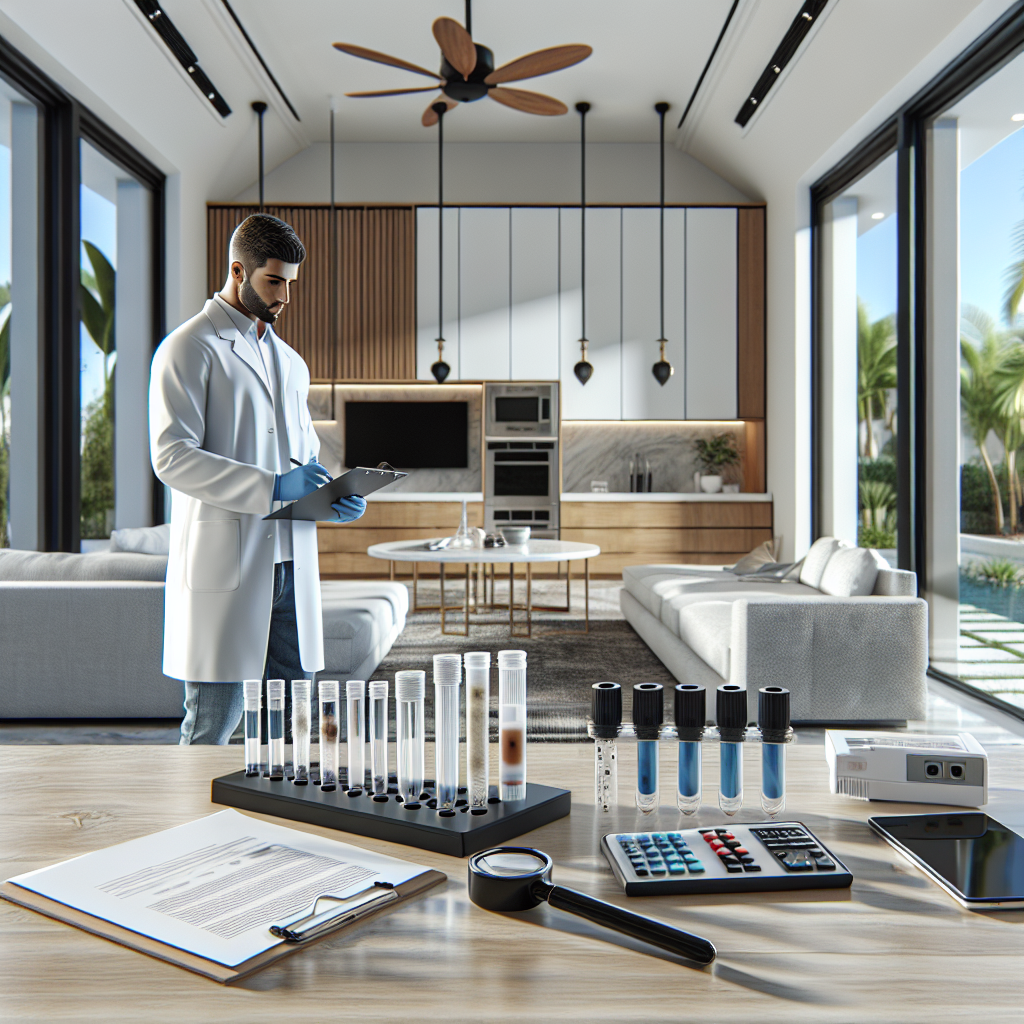
Learn professional mold testing methods used in Florida homes. Discover how experts detect hidden mold using advanced techniques and equipment.
Mold Testing Methods: How Professionals Detect Hidden Mold in Florida Homes
Florida’s warm, humid climate creates the perfect breeding ground for mold growth, making professional mold testing an essential service for homeowners throughout the Sunshine State. With humidity levels often exceeding 70% and frequent rainfall, particularly during hurricane season, hidden mold can develop behind walls, under flooring, and in HVAC systems without homeowners ever knowing it exists.
Understanding how professional mold inspectors detect these hidden threats can help Florida residents make informed decisions about protecting their homes and families. This comprehensive guide explores the advanced testing methods used by certified professionals to uncover mold problems before they become costly disasters.
Why Hidden Mold is a Serious Concern in Florida
Hidden mold poses unique challenges in Florida due to the state’s tropical and subtropical climate zones. Unlike visible mold growth on bathroom tiles or basement walls, hidden mold develops in concealed areas where moisture accumulates undetected. Common hiding spots include:
- Behind drywall in areas with plumbing leaks
- Under flooring damaged by flooding or high humidity
- Inside HVAC ductwork and air handlers
- Within wall cavities affected by roof leaks
- Under carpeting in rooms with poor ventilation
The Florida Department of Health reports that mold-related health complaints increase significantly during the summer months when humidity peaks. In cities like Miami, Fort Lauderdale, and West Palm Beach, where coastal moisture combines with urban heat islands, the risk of hidden mold growth multiplies.
Professional Air Sampling Methods
Air sampling represents one of the most comprehensive approaches to detecting hidden mold in Florida homes. This method analyzes airborne mold spores that may not be visible to the naked eye but indicate active mold growth somewhere in the property.
Spore Trap Sampling
Professional inspectors use spore trap devices to capture airborne particles on a sticky surface. These samples are then analyzed under a microscope to identify mold species and concentration levels. In Florida’s humid environment, spore trap sampling is particularly effective because it can detect:
- Elevated spore concentrations indicating hidden growth
- Specific mold species common to the region
- Seasonal variations in indoor air quality
- Effectiveness of existing ventilation systems
Viable Air Sampling
This method collects living mold spores that can grow in laboratory conditions. While more time-consuming than spore trap sampling, viable air sampling provides detailed information about which mold species are actively reproducing in the home environment. This is especially valuable in South Florida, where multiple mold species can coexist in the same property.
Surface and Bulk Sampling Techniques
When air sampling suggests mold presence, professional inspectors use surface and bulk sampling to pinpoint exact locations and extent of growth.
Tape Lift Sampling
Inspectors apply clear tape to suspected surfaces, then analyze the collected material under a microscope. This method works exceptionally well on smooth surfaces common in Florida homes, such as:
- Painted walls showing discoloration
- Metal HVAC components
- Sealed concrete surfaces in garages or basements
- Glass surfaces near windows prone to condensation
Swab Sampling
For textured or porous surfaces, professionals use sterile swabs to collect samples from suspected areas. This technique is particularly useful in older Florida homes with textured walls or in areas where tape sampling isn’t practical.
Bulk Material Sampling
When structural materials show signs of water damage or suspected mold growth, inspectors may collect small pieces for laboratory analysis. This method provides definitive identification of mold species and helps determine the extent of contamination in building materials.
Advanced Detection Technologies
Florida mold remediation professionals employ cutting-edge technologies to detect hidden moisture and mold growth that traditional methods might miss.
Thermal Imaging Cameras
Infrared cameras detect temperature variations that often indicate moisture problems behind walls or under flooring. In Florida’s climate, these temperature differences can reveal:
- Hidden water leaks from plumbing or roofing
- Areas of trapped moisture from previous flooding
- Inadequate insulation leading to condensation
- HVAC system inefficiencies creating moisture pockets
Professional inspectors in Boca Raton frequently use thermal imaging to detect moisture intrusion in luxury condominiums where hidden leaks can cause extensive damage before becoming visible.
Moisture Mapping Technology
Advanced moisture meters provide precise readings of water content in building materials. These devices help inspectors create detailed maps showing exactly where moisture levels exceed safe thresholds, indicating potential mold growth areas.
Borescope Inspections
These tiny cameras allow inspectors to visually examine inside walls, ductwork, and other confined spaces without causing structural damage. Borescope technology is invaluable for detecting mold growth in areas that would otherwise require destructive testing.
Florida-Specific Testing Considerations
Professional mold testing in Florida must account for unique environmental factors that don’t apply in other states.
Hurricane and Storm Damage Assessment
After major weather events, professional inspectors use specialized protocols to assess potential mold development. The warm, humid conditions following hurricanes create ideal mold growth environments, often requiring comprehensive testing of areas affected by flooding or wind damage.
Seasonal Humidity Variations
Florida’s distinct wet and dry seasons affect mold growth patterns. Professional inspectors adjust their testing methods based on seasonal conditions, understanding that certain areas of homes may only show elevated mold levels during specific times of year.
Building Code Compliance
Florida’s building codes include specific requirements for moisture control and ventilation. Professional mold testing often incorporates compliance verification to ensure homes meet state standards for preventing mold growth.
Laboratory Analysis and Interpretation
Professional mold testing relies on certified laboratory analysis to provide accurate, actionable results. Florida homeowners benefit from understanding what laboratory reports reveal about their indoor environment.
Species Identification
Different mold species pose varying health risks and require different remediation approaches. Laboratory analysis identifies specific species found in Florida homes, including:
- Aspergillus species common in humid climates
- Stachybotrys (black mold) often found in water-damaged areas
- Penicillium species frequently present in air conditioning systems
- Chaetomium associated with chronic water damage
Concentration Levels
Professional reports compare indoor mold levels to outdoor baseline measurements. In Florida’s mold-rich environment, understanding these comparisons helps determine whether indoor levels indicate a problem requiring remediation.
When Professional Testing Becomes Essential
Several situations warrant immediate professional mold testing in Florida homes:
After Water Damage Events
Any water intrusion, whether from storms, plumbing failures, or HVAC condensation issues, should trigger professional testing within 48-72 hours. Florida’s climate accelerates mold growth, making rapid assessment critical.
During Real Estate Transactions
Professional mold inspections protect both buyers and sellers in Florida real estate transactions. Many buyers require comprehensive testing before purchasing homes in high-humidity areas.
Health Symptom Investigations
When residents experience unexplained respiratory symptoms, allergic reactions, or other health issues potentially related to indoor air quality, professional testing can identify hidden mold sources requiring remediation.
Pre-Remediation Assessment
Before beginning any mold remediation project, professional testing establishes baseline conditions and helps develop appropriate removal strategies.
Choosing the Right Testing Professional
Florida homeowners should select mold testing professionals based on specific qualifications and experience:
- Certification from recognized organizations like the American Council for Accredited Certification (ACAC)
- Knowledge of Florida-specific mold issues and regulations
- Use of state-of-the-art testing equipment and methods
- Relationships with accredited laboratories for sample analysis
- Experience with Florida building codes and insurance requirements
Take Action to Protect Your Florida Home
Hidden mold problems don’t improve on their own, especially in Florida’s challenging climate. Professional testing provides the information needed to address mold issues before they become health hazards or structural problems.
If you suspect hidden mold in your Florida home, don’t wait for the problem to worsen. Professional mold testing services can identify issues early, potentially saving thousands of dollars in remediation costs and protecting your family’s health.
Contact our certified mold testing professionals today at 954-231-0508 to schedule a comprehensive inspection of your property. Our experienced team uses the latest testing technologies and understands the unique challenges facing Florida homeowners. Protect your investment and your family’s well-being with professional mold detection services you can trust.
Questions About Mold?
Our certified mold remediation specialists are here to help. Call anytime for a free consultation.
Call 954-231-0508 NowFrequently Asked Questions
What are the most effective mold testing methods for Florida homes?
How much does professional mold testing cost in Florida?
Can I test for mold myself, or do I need a professional?
How long does professional mold testing take?
What should I do if mold testing reveals hidden mold in my Florida home?
Need Professional Mold Remediation?
Serving all of Palm Beach, Broward & Miami-Dade counties with 24/7 emergency service.
📞 954-231-0508 - Call Now