Mold Inspection in Florida: Complete Guide
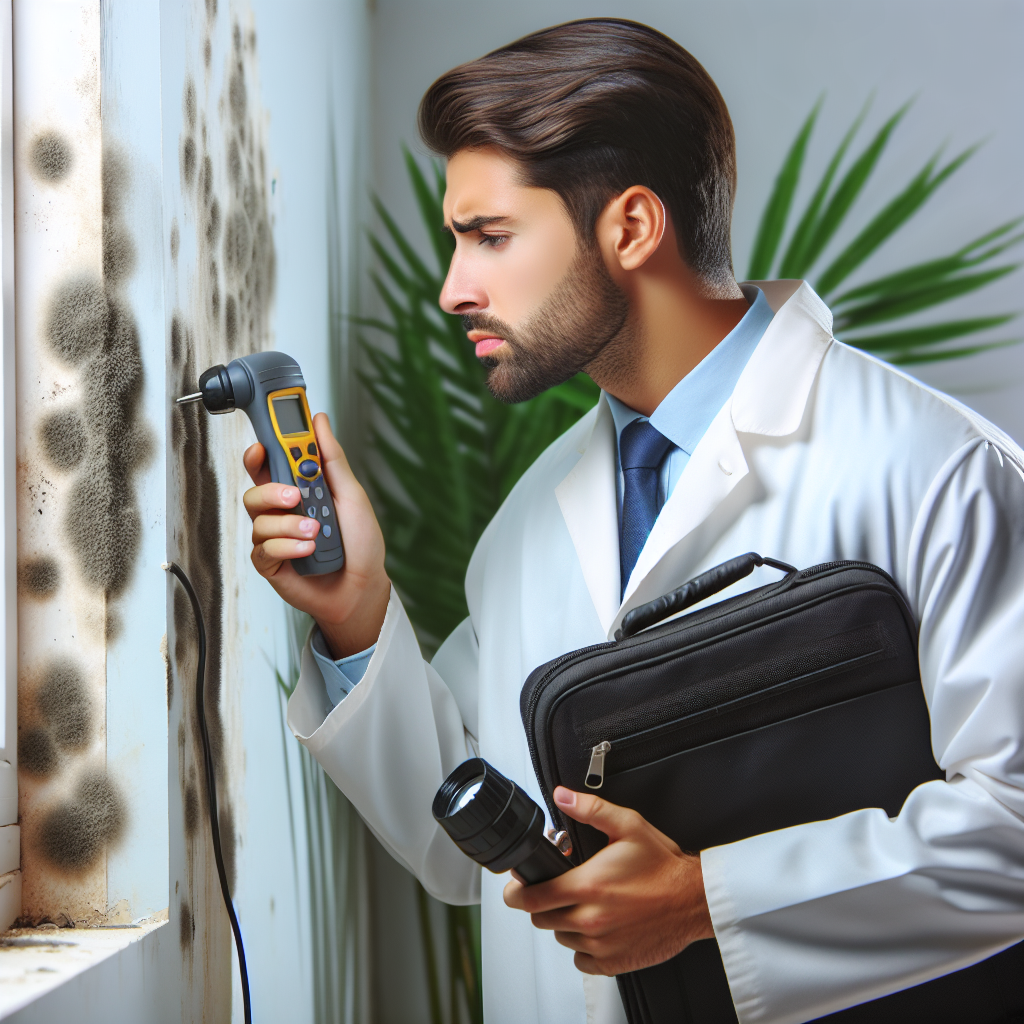
Expert mold inspection services in Palm Beach, Broward & Miami-Dade. Professional solutions, pricing, and prevention. Call 954-231-0508.
Understanding Mold Inspection: Your Essential Guide for Florida Homeowners
Florida’s warm, humid climate creates the perfect breeding ground for mold growth. Whether you’re a homeowner in Palm Beach, a property manager in Broward County, or a business owner in Miami-Dade, understanding the importance of professional mold inspection can save you thousands of dollars in remediation costs and protect your family’s health. Mold doesn’t just damage your property—it can cause serious respiratory issues, allergic reactions, and other health complications. This comprehensive guide will walk you through everything you need to know about mold inspection in Florida and why it should be a priority for every property owner.
What Is a Professional Mold Inspection?
A professional mold inspection is a thorough assessment of your property conducted by certified mold inspectors who identify the presence, extent, and type of mold growth. Unlike a simple visual check, a comprehensive mold inspection involves specialized equipment, air quality testing, and laboratory analysis to detect both visible and hidden mold problems.
The Inspection Process
During a typical mold inspection, certified professionals will examine your entire property, including areas where mold commonly thrives. They’ll check behind walls, under flooring, in crawl spaces, attics, and HVAC systems. The inspector uses moisture meters to detect hidden water damage, thermal imaging cameras to identify temperature variations that indicate moisture problems, and air sampling equipment to measure mold spore concentrations in your indoor environment.
Why Florida Properties Need Regular Inspections
Florida’s subtropical and tropical climate means year-round humidity levels that often exceed 60%—the threshold at which mold begins to flourish. Add to this the frequent hurricanes, tropical storms, and afternoon thunderstorms that can cause water intrusion, and you have a recipe for persistent mold problems. Properties in Palm Beach, Broward, and Miami-Dade counties are particularly vulnerable due to their proximity to the ocean and the high water table that characterizes South Florida.
Signs You Need a Mold Inspection
Visible Indicators
The most obvious sign that you need a mold inspection is visible mold growth. However, mold doesn’t always appear as the stereotypical black patches you might expect. It can present as white, green, gray, or even orange discoloration on walls, ceilings, or other surfaces. You might notice fuzzy or slimy textures, peeling wallpaper, or bubbling paint—all potential indicators of mold growth beneath the surface.
Health Symptoms
If you or your family members experience unexplained health issues that improve when you leave the property and worsen when you return, mold could be the culprit. Common symptoms include:
- Persistent coughing or wheezing
- Nasal congestion and sneezing
- Eye irritation and watery eyes
- Skin rashes or irritation
- Headaches and fatigue
- Difficulty breathing or chest tightness
These symptoms are particularly concerning for children, elderly individuals, and those with compromised immune systems or pre-existing respiratory conditions like asthma.
Musty Odors
A musty, earthy smell is often the first indication of hidden mold growth. This distinctive odor comes from microbial volatile organic compounds (MVOCs) that mold releases as it grows. Even if you can’t see mold, a persistent musty smell, especially in bathrooms, basements, or areas with poor ventilation, warrants a professional inspection.
Water Damage History
If your property has experienced any water intrusion—whether from a leaking roof, burst pipe, flooding, or hurricane damage—you should schedule a mold inspection even if you don’t see visible growth. Mold can begin growing within 24 to 48 hours of water exposure, and it often develops in hidden areas like wall cavities, under flooring, or in insulation.
The Florida Mold Inspection Standards
State Regulations and Certification
Florida takes mold remediation seriously, with specific licensing requirements for mold assessors and remediators. Under Florida Statute 468, Part XVII, mold assessors must be licensed by the Florida Department of Business and Professional Regulation. This ensures that inspectors have the proper training, knowledge, and equipment to accurately identify and assess mold problems.
What to Expect from a Licensed Inspector
A licensed mold inspector in Florida will provide you with a detailed written report that includes:
- Visual inspection findings with photographic documentation
- Air quality test results showing mold spore concentrations
- Surface sampling results identifying specific mold species
- Moisture readings throughout the property
- Identification of the moisture source causing mold growth
- Recommendations for remediation and prevention
This comprehensive documentation is essential not only for addressing your current mold problem but also for insurance claims and real estate transactions.
Types of Mold Testing
Air Sampling
Air sampling measures the concentration of mold spores in your indoor air compared to outdoor levels. This testing helps identify the severity of contamination and the types of mold present, even when there’s no visible growth. It’s particularly useful for detecting mold in HVAC systems or behind walls where visual inspection isn’t possible.
Surface Sampling
Surface sampling involves collecting samples from suspected mold growth areas using swabs, tape lifts, or bulk samples. These samples are sent to a laboratory for analysis to identify the specific mold species and determine the concentration levels. This information is crucial for developing an effective remediation plan.
Moisture Mapping
While not technically a mold test, moisture mapping is an essential component of any thorough inspection. Using specialized meters and thermal imaging, inspectors create a moisture profile of your property to identify current water intrusion issues and areas at high risk for mold development.
Mold Inspection for Real Estate Transactions
Buyer’s Perspective
If you’re purchasing a home in Palm Beach, Broward, or Miami-Dade County, a mold inspection should be part of your due diligence. Florida’s climate and the prevalence of older properties with aging infrastructure make mold a common issue. A pre-purchase mold inspection can reveal hidden problems that might not be apparent during a standard home inspection, potentially saving you from costly surprises after closing.
Seller’s Responsibility
Sellers have a legal obligation to disclose known mold issues to potential buyers. Conducting a pre-listing mold inspection demonstrates transparency and allows you to address any problems before putting your property on the market. This proactive approach can prevent deal-breaking discoveries during the buyer’s inspection period and potentially increase your property’s value.
The Cost of Neglecting Mold Inspection
Health Risks
Ignoring mold problems can have serious health consequences. Prolonged exposure to mold can trigger or worsen asthma, cause allergic reactions, and lead to chronic respiratory infections. Some mold species produce mycotoxins that can cause neurological symptoms and other serious health issues. For Florida families, where indoor time increases during hot summer months and hurricane season, the health risks of unaddressed mold are particularly concerning.
Property Damage
Mold doesn’t just affect your health—it actively destroys building materials. As mold colonies grow, they break down organic materials like wood, drywall, and insulation. This can compromise your property’s structural integrity, leading to expensive repairs. What might start as a minor moisture problem can escalate into tens of thousands of dollars in damage if left unaddressed.
Decreased Property Value
Properties with documented mold problems or visible mold damage can lose significant market value. In competitive Florida real estate markets, mold issues can make your property difficult to sell or finance, as many lenders require mold remediation before approving mortgages.
Choosing the Right Mold Inspection Company
Qualifications to Look For
When selecting a mold inspection company in Florida, verify that they hold proper state licensing and certifications. Look for inspectors who are certified by organizations like the American Council for Accredited Certification (ACAC) or the Indoor Air Quality Association (IAQA). Experience matters, particularly with inspectors who understand Florida’s unique climate challenges.
Red Flags to Avoid
Be cautious of companies that offer both inspection and remediation services, as this creates a conflict of interest. The inspector should be an independent third party who provides unbiased assessment and recommendations. Also, avoid companies that quote remediation prices before completing the inspection or push for immediate remediation without proper testing.
Questions to Ask
Before hiring an inspector, ask about their testing methods, turnaround time for lab results, and what the inspection report includes. Inquire about their experience with Florida properties and their familiarity with common issues in your specific county, whether Palm Beach, Broward, or Miami-Dade.
Take Action Today to Protect Your Property and Health
Mold inspection isn’t just about identifying problems—it’s about protecting your investment, your health, and your family’s well-being. Florida’s climate makes mold a persistent challenge, but with professional inspection and prompt remediation, you can maintain a safe, healthy indoor environment. Whether you’ve noticed warning signs, experienced water damage, or simply want peace of mind, don’t wait for a minor mold problem to become a major disaster.
If you’re in Palm Beach, Broward, or Miami-Dade County and need professional mold inspection services, call 954-231-0508 today. Our certified inspectors provide comprehensive assessments with detailed reporting to help you make informed decisions about your property. Don’t let mold compromise your health or your home’s value—schedule your inspection now and breathe easier knowing your property is in expert hands.
The investment in a professional mold inspection is minimal compared to the potential costs of undetected mold damage. With Florida’s unique environmental challenges, regular inspections should be part of your property maintenance routine, especially after storms or water events. Take control of your indoor air quality and protect what matters most by scheduling your mold inspection today at 954-231-0508.
Questions About Mold?
Our certified mold remediation specialists are here to help. Call anytime for a free consultation.
Call 954-231-0508 NowNeed Professional Mold Remediation?
Serving all of Palm Beach, Broward & Miami-Dade counties with 24/7 emergency service.
📞 954-231-0508 - Call Now