
HVAC Mold Contamination: When Your AC Spreads Spores
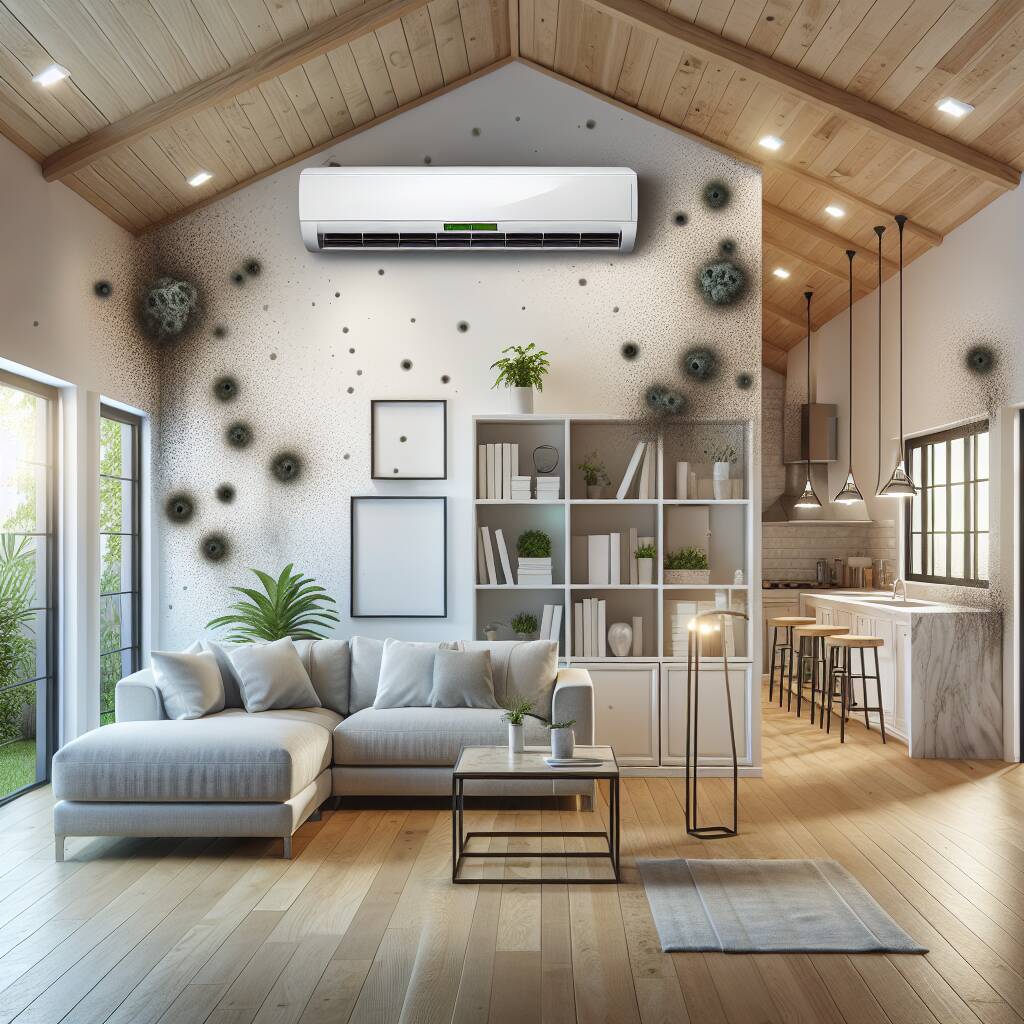
Learn how Florida's humid climate turns HVAC systems into mold highways. Discover prevention, detection, and professional remediation solutions.
The Hidden Highway: How Your HVAC System Becomes Florida’s Mold Distributor
Your air conditioning system is supposed to be your refuge from Florida’s oppressive heat and humidity. But what happens when that same system becomes a highway for mold spores, circulating contamination throughout your home or business? In Florida’s subtropical climate, HVAC mold contamination isn’t just a possibility—it’s a common reality that affects thousands of properties across the state.
From the high-rise condominiums of Miami to the suburban homes of Boca Raton, HVAC systems work overtime in Florida’s demanding climate. This constant operation, combined with year-round humidity levels often exceeding 70%, creates the perfect storm for mold growth within your air conditioning system.
The consequences extend far beyond musty odors. When your HVAC system becomes contaminated, it transforms from a comfort provider into a mold spore distributor, potentially affecting every room in your property. Understanding how this happens—and what you can do about it—is crucial for every Florida property owner.
Understanding HVAC Mold Contamination in Florida’s Climate
Florida’s unique environmental conditions make HVAC mold contamination particularly problematic. The state’s average humidity levels range from 60-80% year-round, well above the 60% threshold where mold thrives. Combined with temperatures that rarely drop below comfortable levels, Florida’s HVAC systems rarely get the “break” that seasonal climates provide.
Where Mold Grows in Your HVAC System
Mold doesn’t just randomly appear in your air conditioning system—it targets specific areas where conditions are most favorable:
Air Handler and Evaporator Coils: These components naturally generate condensation as they cool warm, humid air. In Fort Lauderdale homes, where outdoor humidity regularly exceeds 75%, this condensation can overwhelm drain systems, creating standing water where mold flourishes.
Ductwork: Flexible ducts, particularly common in Florida construction, can develop condensation on their exterior surfaces when poor insulation meets humid air. Metal ducts aren’t immune either—joints and connections often become mold hotspots.
Drain Pans: These catch condensation from evaporator coils, but when they don’t drain properly or aren’t cleaned regularly, they become miniature swamps perfect for mold cultivation.
Air Filters: Dirty or damp filters don’t just reduce efficiency—they become breeding grounds for mold that then spreads throughout your system.
The Distribution Problem
Once established, mold in your HVAC system doesn’t stay localized. Every time your air conditioner cycles on, it can distribute spores throughout your property. This is particularly concerning in Florida’s larger metropolitan areas like West Palm Beach, where sealed buildings with recirculated air can quickly become completely contaminated.
Warning Signs Your HVAC System Is Spreading Mold
Recognizing HVAC mold contamination early can prevent extensive damage and health issues. Florida property owners should watch for these telltale signs:
Sensory Indicators
Musty Odors: If turning on your AC brings a musty, earthy smell, mold is likely present somewhere in your system. This odor often becomes more pronounced during initial startup after the system has been off.
Visible Growth: Check around air vents, registers, and the air handler unit itself. Black, green, or white fuzzy growth around these areas indicates contamination that likely extends deeper into the system.
Performance Changes
Reduced Efficiency: Mold growth on coils and in ducts can significantly impact your system’s efficiency. In Florida’s energy-intensive climate, a sudden spike in utility bills might indicate mold-related performance issues.
Inconsistent Cooling: Mold buildup can block airflow, creating hot and cold spots throughout your property.
Health Symptoms
Family members or employees experiencing increased respiratory issues, allergies, or unexplained fatigue when indoors—but feeling better when away from the property—may be reacting to mold spores circulated by the HVAC system.
Florida-Specific HVAC Mold Challenges
Florida’s building codes, climate, and construction practices create unique challenges for HVAC mold prevention and remediation.
Hurricane and Storm Aftermath
Florida’s hurricane season brings additional HVAC mold risks. Even properties that don’t experience direct flooding can have compromised HVAC systems. Power outages leave systems off during peak humidity periods, while roof leaks or wind-driven rain can introduce moisture directly into ductwork.
Following Hurricane Ian in 2022, mold remediation companies across Southwest Florida reported a 300% increase in HVAC-related mold calls. Similarly, after Hurricane Irma in 2017, properties throughout South Florida experienced delayed mold problems as contaminated HVAC systems went unnoticed for weeks or months.
Construction and Design Factors
Many Florida homes built during construction booms feature HVAC systems installed in unconditioned spaces like attics or crawl spaces. These installations, while cost-effective, are particularly vulnerable to condensation and mold growth when hot, humid outdoor air meets cold ductwork.
The prevalence of slab construction in Florida also means that many ductwork systems are installed in concrete, making access for cleaning and remediation more challenging and expensive.
Regulatory Considerations
Florida Statute 718.111 requires condominium associations to maintain common elements, which typically includes HVAC systems. However, the statute doesn’t specify mold prevention or remediation standards, leading to inconsistent maintenance practices across the state’s thousands of condo buildings.
For commercial properties, Florida’s building codes require specific ventilation rates, but these requirements focus on air exchange rather than mold prevention, creating potential gaps in protection.
Prevention Strategies for Florida HVAC Systems
Preventing HVAC mold contamination in Florida requires a proactive approach tailored to the state’s challenging climate.
Maintenance Best Practices
Regular Filter Changes: In Florida’s dusty, humid environment, filters should be changed monthly rather than quarterly. High-efficiency filters can capture mold spores, but only if they’re not clogged with debris.
Professional Maintenance: Annual professional maintenance should include coil cleaning, drain pan service, and ductwork inspection. During Florida’s peak cooling season (May through October), bi-annual service may be beneficial.
Humidity Control: Maintain indoor humidity between 30-50%. While challenging in Florida’s climate, proper HVAC sizing and supplemental dehumidification can achieve these levels.
System Upgrades
UV Light Installation: Ultraviolet lights installed in air handlers can kill mold spores and prevent growth on coils. These systems are particularly effective in Florida’s year-round cooling climate.
Improved Drainage: Ensure condensate drains are properly sized and include traps to prevent humid outdoor air from entering the system through drain lines.
Duct Sealing: Properly sealed ductwork prevents humid outdoor air infiltration and reduces condensation potential.
Professional HVAC Mold Remediation: When DIY Isn’t Enough
While property owners can handle basic maintenance and minor cleaning, extensive HVAC mold contamination requires professional intervention. Understanding when to call professionals can prevent minor issues from becoming major problems.
Signs You Need Professional Help
Extensive Visible Growth: If mold is visible throughout multiple vents or covers a large area around the air handler, the contamination likely extends throughout the system.
Health Symptoms Persist: If occupants continue experiencing symptoms despite basic cleaning efforts, professional remediation may be necessary.
Water Damage History: Any HVAC system that has experienced flooding, significant leaks, or hurricane damage should be professionally inspected and remediated.
The Professional Remediation Process
Professional HVAC mold remediation follows established protocols to ensure complete contamination removal:
Assessment and Testing: Professionals use moisture meters, air sampling, and visual inspection to determine contamination extent.
Containment: Contaminated systems are isolated to prevent spore distribution during cleaning.
Cleaning and Disinfection: Specialized equipment and EPA-registered antimicrobial products remove mold and prevent regrowth.
System Restoration: Components that cannot be effectively cleaned are replaced, and the entire system is tested before returning to service.
Working with Florida mold remediation professionals ensures compliance with industry standards and provides warranty protection for completed work.
Protecting Your Investment and Health
HVAC mold contamination represents a serious threat to both property value and occupant health in Florida’s challenging climate. The state’s year-round humidity, frequent storms, and unique construction practices create conditions where mold problems can develop quickly and spread extensively through air conditioning systems.
Early detection and professional remediation protect your investment while ensuring the health and comfort of everyone who enters your property. Don’t let your HVAC system become a mold distribution network—take action at the first sign of contamination.
Whether you’re dealing with suspicious odors, visible growth, or unexplained health symptoms, professional assessment can determine if your HVAC system needs attention. From Miami-Dade’s high-rise buildings to single-family homes throughout South Florida, HVAC mold contamination affects all property types and requires specialized expertise to resolve effectively.
If you suspect mold contamination in your HVAC system, don’t wait for the problem to spread. Contact our certified mold remediation professionals at 1-877-438-0914 for comprehensive assessment and remediation services. Protect your property, your health, and your peace of mind with expert HVAC mold remediation services designed specifically for Florida’s unique challenges.
Frequently Asked Questions
How do I know if my HVAC system has mold contamination?
Can I clean HVAC mold myself or do I need professionals?
How often should I have my HVAC system inspected for mold in Florida?
What causes mold to grow in HVAC systems in Florida?
How much does professional HVAC mold remediation cost in Florida?
Have Water Damage or Mold?
Tell us about your emergency and get immediate help. Serving Palm Beach, Broward & Miami-Dade 24/7.
Tell Us About Your Water Emergency