Ceiling Mold Removal in Florida: Complete Guide
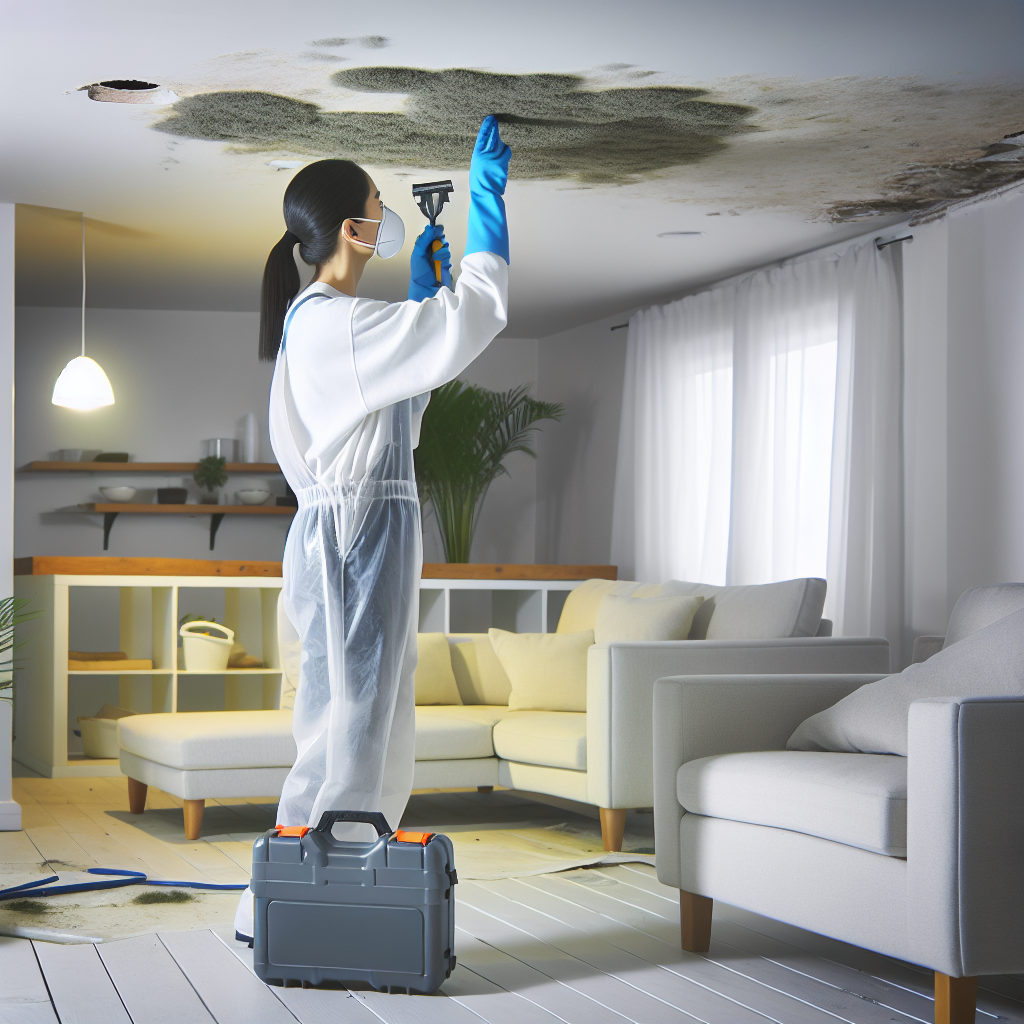
Expert ceiling mold removal services in Palm Beach, Broward & Miami-Dade. Professional solutions, pricing, and prevention. Call 954-231-0508.
Ceiling Mold Removal: A Complete Guide for Florida Homeowners
Florida’s humid subtropical climate creates the perfect breeding ground for mold growth, and one of the most common—and concerning—places it appears is on ceilings. Whether you’re in Palm Beach, Broward, or Miami-Dade County, ceiling mold is a problem that demands immediate attention. Understanding how to identify, address, and prevent ceiling mold can protect both your property value and your family’s health.
Understanding Ceiling Mold in Florida Homes
Ceiling mold typically appears as dark spots, patches, or streaks on your ceiling surface. In Florida homes, this problem is particularly prevalent due to our year-round humidity, frequent rain, and warm temperatures. Mold spores are always present in the air, but they only colonize and grow when they find the right conditions: moisture, warmth, and an organic food source like drywall or wood.
Ceiling mold often indicates a more serious underlying problem. Unlike wall or floor mold, ceiling contamination frequently points to issues above—whether that’s a leaking roof, condensation in the attic, plumbing problems, or HVAC system failures. The porous nature of ceiling materials means mold can penetrate deep into the structure, making thorough remediation essential.
Common Causes of Ceiling Mold in Florida
Florida homeowners face unique challenges when it comes to ceiling mold. The primary culprits include:
- Roof leaks: Hurricane season and afternoon thunderstorms can compromise roofing materials, allowing water to seep into attic spaces and eventually through ceilings
- HVAC condensation: Improperly insulated or maintained air conditioning systems create condensation that promotes mold growth
- Bathroom humidity: Insufficient ventilation in bathrooms allows steam to rise and condense on ceilings
- Plumbing failures: Leaking pipes in walls or above ceilings create hidden moisture problems
- Poor attic ventilation: Florida’s intense heat combined with poor airflow creates condensation in attic spaces
- High indoor humidity: Without proper dehumidification, indoor humidity levels above 60% encourage mold colonization
Health Risks Associated with Ceiling Mold
Ceiling mold poses serious health risks, particularly because spores easily become airborne and are inhaled by occupants. The elevated position of ceiling mold means gravity assists in spreading contamination throughout your living space. Health effects can range from mild to severe, depending on the type of mold, extent of exposure, and individual sensitivity.
Common health symptoms include respiratory issues such as coughing, wheezing, and difficulty breathing. Many Florida residents experience aggravated asthma symptoms, allergic reactions including sneezing and watery eyes, and persistent headaches. Some individuals develop skin irritation, chronic fatigue, and in cases of toxic mold exposure like Stachybotrys (black mold), more serious neurological effects can occur.
Children, elderly individuals, and those with compromised immune systems are particularly vulnerable. If you notice ceiling mold in your Palm Beach, Broward, or Miami-Dade home, professional assessment and removal should be a priority to protect your family’s wellbeing.
Don’t wait for mold to spread—call 954-231-0508 today for a professional mold inspection and free estimate on ceiling mold removal services.
The Ceiling Mold Removal Process
Professional ceiling mold remediation follows strict protocols to ensure complete removal and prevent cross-contamination. Understanding this process helps homeowners appreciate why DIY approaches often fall short and can even make problems worse.
Initial Assessment and Containment
Professional mold remediation begins with a thorough inspection to determine the extent of contamination and identify moisture sources. Technicians use moisture meters, infrared cameras, and visual inspection to map the affected areas. This assessment phase is critical because visible mold often represents only a fraction of the total problem.
Once the scope is determined, containment procedures begin. This involves sealing off the affected area with plastic sheeting to prevent mold spores from spreading to uncontaminated parts of your home. Negative air pressure systems with HEPA filtration ensure that air flows into the containment area but doesn’t escape, capturing airborne spores.
Mold Removal and Material Treatment
The removal process varies depending on the ceiling material and extent of contamination. For drywall ceilings with extensive mold penetration, removal and replacement is often necessary. Contaminated drywall sections are carefully removed to prevent spore dispersal, sealed in plastic, and properly disposed of according to Florida regulations.
For less porous surfaces or minor contamination, specialized cleaning agents and antimicrobial treatments may be sufficient. HEPA vacuuming removes surface spores, followed by application of EPA-registered fungicides. All affected materials undergo thorough cleaning and treatment to eliminate both visible mold and microscopic spores.
Wood ceiling components receive special attention. Depending on the level of penetration, wood may be cleaned, sanded, and treated, or in severe cases, replaced entirely. The goal is to remove all mold while preserving structural integrity wherever possible.
Addressing the Root Cause
Removing visible mold without fixing the underlying moisture problem guarantees recurrence. Professional remediation includes identifying and addressing the source of moisture. This might involve:
- Repairing roof leaks or damaged flashing
- Improving attic ventilation and insulation
- Fixing plumbing leaks
- Installing or upgrading bathroom exhaust fans
- Adjusting HVAC systems to reduce condensation
- Installing dehumidification systems to maintain proper humidity levels
In Florida’s climate, controlling humidity is ongoing. Professional remediation companies often recommend whole-home dehumidification systems, particularly in coastal areas of Palm Beach, Broward, and Miami-Dade counties where humidity levels remain high year-round.
Why Professional Remediation Matters
While small surface mold on hard, non-porous surfaces might be handled with household cleaners, ceiling mold typically requires professional intervention. Several factors make DIY ceiling mold removal problematic and potentially dangerous.
First, ceiling work is physically challenging and poses fall risks. Second, disturbing mold colonies without proper containment spreads spores throughout your home, potentially contaminating previously clean areas. Third, improper protective equipment exposes you to concentrated mold levels that can cause acute health reactions.
Most importantly, homeowners lack the diagnostic tools to identify hidden mold and moisture sources. You might clean visible mold only to have it return weeks later because the underlying cause remains unaddressed. Professional remediation provides comprehensive solutions that prevent recurrence.
Additionally, insurance claims for mold damage often require professional documentation and remediation. DIY efforts may void coverage or make it difficult to prove the extent of damage and proper remediation.
Protect your investment and your health—contact certified mold remediation specialists at 954-231-0508 for expert ceiling mold removal throughout South Florida.
Preventing Ceiling Mold in Florida Homes
Prevention is always more cost-effective than remediation. Florida homeowners can take several proactive steps to minimize ceiling mold risk:
Humidity Control
Maintain indoor humidity levels between 30-50%. Use dehumidifiers, especially during summer months when outdoor humidity often exceeds 80%. Ensure your air conditioning system is properly sized and maintained—oversized units cool quickly without adequate dehumidification, while undersized units run constantly without effectively managing humidity.
Ventilation Improvements
Install exhaust fans in all bathrooms and run them during and for 30 minutes after showering. Ensure kitchen range hoods vent outside rather than recirculating air. Check that attic ventilation is adequate—ridge vents, soffit vents, and attic fans work together to prevent heat and moisture buildup in Florida’s intense climate.
Regular Maintenance
Inspect your roof at least twice yearly and after major storms. Check for missing shingles, damaged flashing, and signs of water intrusion. Clean gutters regularly to prevent water backup. Inspect HVAC systems annually and change filters monthly. Check for plumbing leaks regularly, including visible pipes and those hidden in walls.
Monitor and Respond Quickly
Place humidity monitors in vulnerable areas like bathrooms and upper floors. Address any water intrusion immediately—even small leaks can cause significant mold growth in Florida’s climate within 24-48 hours. If you notice musty odors, discoloration, or other signs of moisture problems, investigate immediately rather than waiting for visible mold to appear.
Choosing a Mold Remediation Company in South Florida
Not all mold remediation companies offer the same quality of service. When selecting a provider in Palm Beach, Broward, or Miami-Dade County, consider these factors:
Look for proper licensing and certification—reputable companies employ certified mold remediation specialists and maintain all required Florida licenses. Ask about their inspection process and whether they use moisture meters and thermal imaging to identify hidden problems.
Ensure they follow industry standards set by organizations like the Institute of Inspection, Cleaning and Restoration Certification (IICRC) and the Environmental Protection Agency (EPA). Request detailed written estimates that outline the scope of work, materials to be used, and timeline for completion.
Check references and online reviews from other Florida homeowners. A company with extensive local experience understands the specific challenges posed by our climate and building practices. Verify they carry appropriate insurance, including liability and workers’ compensation coverage.
Finally, be wary of companies that provide quotes without thorough inspection or pressure you into immediate decisions. Reputable remediation specialists take time to properly assess your situation and provide comprehensive solutions.
Take Action Against Ceiling Mold Today
Ceiling mold is more than an unsightly problem—it’s a health hazard and a warning sign of potentially serious structural issues. In Florida’s humid climate, the conditions that promote mold growth are ever-present, making professional remediation and prevention strategies essential for homeowners throughout Palm Beach, Broward, and Miami-Dade counties.
If you’ve discovered ceiling mold in your home, waiting only allows the problem to worsen. Mold spreads quickly, damages building materials, and poses increasing health risks as colonies expand. Professional remediation removes existing contamination, addresses underlying moisture problems, and implements prevention strategies to protect your home long-term.
Don’t let ceiling mold compromise your home and health. Call 954-231-0508 now for fast, professional mold remediation services from certified specialists serving all of South Florida. Free inspections available—protect your home today.
Questions About Mold?
Our certified mold remediation specialists are here to help. Call anytime for a free consultation.
Call 954-231-0508 NowNeed Professional Mold Remediation?
Serving all of Palm Beach, Broward & Miami-Dade counties with 24/7 emergency service.
📞 954-231-0508 - Call Now