Black Mold Removal in Florida: Complete Guide
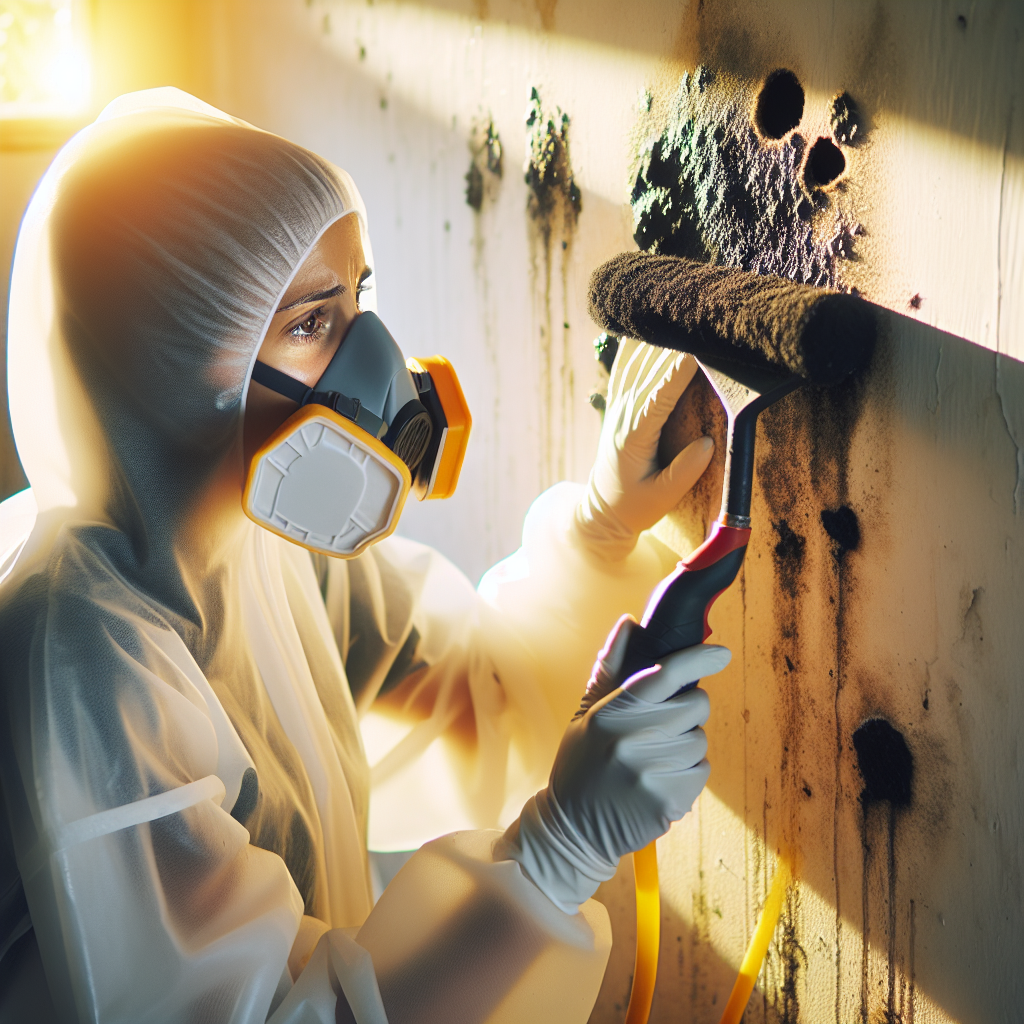
Expert black mold removal services in Palm Beach, Broward & Miami-Dade. Professional solutions, pricing, and prevention. Call 954-231-0508.
Understanding Black Mold and Why Florida Homeowners Need Professional Removal
Black mold, scientifically known as Stachybotrys chartarum, is a toxic fungus that thrives in moisture-rich environments—making Florida homes particularly vulnerable. With our state’s high humidity levels, frequent rainfall, and warm temperatures year-round, properties in Palm Beach, Broward, and Miami-Dade counties create the perfect breeding ground for this hazardous organism. Black mold isn’t just an unsightly nuisance; it poses serious health risks and can compromise your property’s structural integrity if left untreated.
Unlike common household molds that appear white or green, black mold presents as a dark greenish-black substance with a slimy texture when actively growing. It typically develops on materials with high cellulose content, such as drywall, wood, ceiling tiles, and paper products. The most concerning aspect of black mold is its production of mycotoxins—toxic compounds that become airborne and can cause severe health problems when inhaled or touched.
Florida residents must understand that black mold removal requires professional expertise. The humid subtropical climate in South Florida creates conditions where mold can return quickly after improper remediation. Professional mold removal specialists understand the unique challenges presented by Florida’s environment and employ comprehensive strategies to eliminate black mold permanently while protecting your family’s health.
Health Risks Associated with Black Mold Exposure
The health implications of black mold exposure cannot be overstated. When black mold releases mycotoxins into your home’s air, these toxic particles can trigger a range of health problems, from mild allergic reactions to severe respiratory conditions. Understanding these risks emphasizes why immediate professional removal is essential for Florida homeowners.
Common symptoms of black mold exposure include persistent coughing, wheezing, nasal congestion, throat irritation, and skin rashes. Many residents in Palm Beach, Broward, and Miami-Dade counties mistake these symptoms for seasonal allergies or the common cold, not realizing that black mold in their homes is the underlying cause. Prolonged exposure can lead to more serious conditions, including chronic sinus infections, asthma development or aggravation, and severe allergic reactions.
Particularly vulnerable populations face even greater risks. Children, elderly individuals, pregnant women, and those with compromised immune systems or existing respiratory conditions can experience severe health complications from black mold exposure. Some individuals may develop hypersensitivity pneumonitis, a serious immune system response that causes lung inflammation. In extreme cases, prolonged exposure to high concentrations of black mold mycotoxins has been linked to neurological problems, including memory loss, mood changes, and difficulty concentrating.
If you or your family members are experiencing unexplained health symptoms that worsen when at home, black mold could be the culprit. Don’t wait until health problems escalate—contact professional mold remediation specialists at 954-231-0508 to schedule a comprehensive mold inspection and protect your family’s wellbeing.
Common Causes of Black Mold Growth in Florida Homes
Florida’s unique climate creates numerous opportunities for black mold development. Understanding the common causes helps homeowners identify potential problem areas before mold colonies establish themselves throughout the property.
Water Damage and Leaks
Water intrusion is the primary catalyst for black mold growth. In South Florida, heavy rainstorms and hurricanes can cause roof leaks, window leaks, and foundation cracks that allow water to penetrate your home. Even minor leaks from plumbing fixtures, air conditioning units, or appliances can create the moisture conditions black mold needs to flourish. The warm temperatures in Palm Beach, Broward, and Miami-Dade counties mean that wet materials don’t dry quickly, giving mold spores ample time to colonize.
High Humidity Levels
Florida’s average humidity levels frequently exceed 70%, well above the 60% threshold where mold growth accelerates. Poorly ventilated bathrooms, kitchens, and laundry rooms trap moisture-laden air, creating ideal environments for black mold. Homes with inadequate air conditioning or dehumidification systems struggle to maintain humidity levels that prevent mold proliferation.
Flooding Events
South Florida’s susceptibility to tropical storms, hurricanes, and seasonal flooding presents significant mold risks. When floodwaters enter homes, they saturate building materials, creating widespread moisture problems. Black mold can begin growing within 24-48 hours of water exposure, making rapid response essential after flooding events.
Poor Ventilation
Homes with insufficient ventilation trap moisture and prevent proper air circulation. Attics, crawl spaces, and enclosed areas without adequate airflow become mold breeding grounds. Many older Florida homes lack proper ventilation systems, increasing their vulnerability to black mold infestations.
The Professional Black Mold Removal Process
Professional black mold remediation follows strict protocols established by the Environmental Protection Agency (EPA) and the Institute of Inspection, Cleaning and Restoration Certification (IICRC). Understanding this process helps Florida homeowners appreciate why DIY mold removal attempts are inadequate and potentially dangerous.
Initial Inspection and Assessment
Certified mold remediation specialists begin with a thorough property inspection to identify all mold-affected areas. This includes visual inspection, moisture readings using specialized equipment, and often air quality testing to determine the extent of contamination. In Florida homes, professionals check common problem areas including attics, crawl spaces, behind walls, under flooring, and around HVAC systems.
Containment and Air Filtration
Before removal begins, professionals establish containment barriers to prevent mold spores from spreading to unaffected areas. They seal off the work area using plastic sheeting and create negative air pressure using specialized equipment. HEPA air filtration devices continuously clean the air, capturing microscopic mold spores that become airborne during the removal process.
Safe Removal and Disposal
Technicians wearing appropriate personal protective equipment carefully remove mold-contaminated materials. Porous materials like drywall, insulation, and carpeting that have been heavily contaminated typically require complete removal and disposal in sealed bags. Non-porous surfaces receive thorough cleaning using antimicrobial solutions specifically designed to kill mold at its roots.
Cleaning and Sanitization
After removing contaminated materials, professionals clean all surfaces in the affected area using HEPA vacuums and antimicrobial treatments. This step eliminates remaining mold spores and prevents regrowth. In Florida’s humid climate, this thorough sanitization is crucial for long-term success.
Drying and Dehumidification
Professional-grade dehumidifiers and air movers completely dry the affected area, reducing moisture levels below the threshold where mold can grow. This step is particularly important in South Florida, where ambient humidity can quickly reintroduce moisture into remediated areas.
Restoration and Prevention
The final phase involves repairing or replacing removed materials and implementing preventive measures. This may include installing improved ventilation systems, applying mold-resistant coatings, fixing the underlying water problems that caused the mold growth, and establishing humidity control systems.
Why DIY Black Mold Removal Is Dangerous and Ineffective
Many Florida homeowners consider tackling black mold removal themselves to save money, but this approach creates serious risks and often leads to more expensive problems down the road.
First, DIY removal typically fails to address the full extent of mold contamination. Black mold often grows behind walls, under flooring, and in hidden cavities where it’s not visible. Without professional moisture detection equipment and inspection experience, homeowners miss these hidden colonies, which continue growing and spreading.
Second, disturbing black mold without proper containment and protective equipment exposes you to dangerous mycotoxin concentrations. Simple face masks and household cleaning products don’t provide adequate protection against these toxic compounds. Professional remediation technicians use respirators with HEPA filters, full-body protective suits, and gloves to prevent exposure.
Third, improper removal techniques actually spread mold spores throughout your home. Scrubbing mold-covered surfaces, using regular vacuums, or failing to contain the work area launches millions of spores into the air, where they settle in previously unaffected areas and establish new colonies.
Finally, DIY approaches rarely address the moisture source causing the mold growth. Without identifying and fixing underlying water problems, mold returns quickly—often more extensively than before. Professional remediation companies in Palm Beach, Broward, and Miami-Dade counties have the expertise to identify moisture sources and implement lasting solutions.
Choosing the Right Mold Remediation Company in South Florida
Selecting a qualified mold remediation company protects your investment and ensures effective black mold removal. Florida homeowners should look for several key qualifications when choosing a remediation specialist.
Certification is essential—reputable companies employ technicians certified by organizations like the IICRC or the National Organization of Remediators and Mold Inspectors (NORMI). These certifications demonstrate comprehensive training in proper mold remediation protocols.
Experience with Florida’s unique mold challenges matters significantly. Companies familiar with South Florida’s climate, common construction types, and prevalent mold species provide superior results. They understand how hurricanes, humidity, and local building materials affect mold growth and remediation strategies.
Comprehensive services should include inspection, testing, removal, repair, and prevention strategies. Companies offering complete solutions address both immediate mold problems and underlying causes, preventing recurrence.
Insurance and licensing provide crucial protection. Verify that any company you consider holds appropriate Florida state licenses and carries liability insurance and workers’ compensation coverage.
Transparent communication and detailed documentation are hallmarks of professional companies. They should provide clear explanations of the remediation process, written estimates, and photographic documentation of work performed.
Protecting Your Florida Home from Future Black Mold Growth
After professional black mold removal, implementing preventive strategies keeps your Palm Beach, Broward, or Miami-Dade County home mold-free despite Florida’s challenging climate.
Maintain indoor humidity below 60% using dehumidifiers and air conditioning systems. Monitor humidity levels with inexpensive hygrometers placed throughout your home. Ensure your HVAC system is properly sized for your home and receives regular maintenance.
Address water problems immediately. Fix leaks promptly, whether from roofs, plumbing, windows, or appliances. After heavy rains or flooding, inspect vulnerable areas and dry any wet materials within 24-48 hours.
Improve ventilation in moisture-prone areas. Install exhaust fans in bathrooms and kitchens that vent to the outside, not into attics. Run these fans during and after showers or cooking. Keep air circulating in closets, storage areas, and other enclosed spaces.
Conduct regular inspections of common problem areas, including attics, crawl spaces, beneath sinks, around water heaters, and near air conditioning units. Early detection allows you to address small moisture problems before they become major mold infestations.
Consider applying mold-resistant products during renovations or repairs. Mold-resistant drywall, paints, and building materials provide extra protection in Florida’s humid environment.
Take Action Today to Protect Your Home and Health
Black mold is a serious threat to Florida homeowners, but professional remediation can eliminate this hazard and restore your home’s safety. The health risks associated with black mold exposure, combined with the potential for structural damage, make immediate action essential when you discover or suspect mold growth.
Don’t risk your family’s health or attempt dangerous DIY removal. Professional mold remediation specialists serving Palm Beach, Broward, and Miami-Dade counties have the training, equipment, and experience to safely and effectively eliminate black mold from your property. They’ll address both visible mold and hidden contamination, fix underlying moisture problems, and implement preventive measures tailored to Florida’s challenging climate.
If you’ve noticed musty odors, visible mold growth, or unexplained health symptoms in your South Florida home, don’t delay. Call 954-231-0508 today to schedule a comprehensive mold inspection and receive a detailed remediation plan. Protect your investment, safeguard your family’s health, and enjoy peace of mind knowing your home is free from toxic black mold.
Questions About Mold?
Our certified mold remediation specialists are here to help. Call anytime for a free consultation.
Call 954-231-0508 NowNeed Professional Mold Remediation?
Serving all of Palm Beach, Broward & Miami-Dade counties with 24/7 emergency service.
📞 954-231-0508 - Call Now