
Bathroom Mold Solutions: Prevention and Professional Remediation
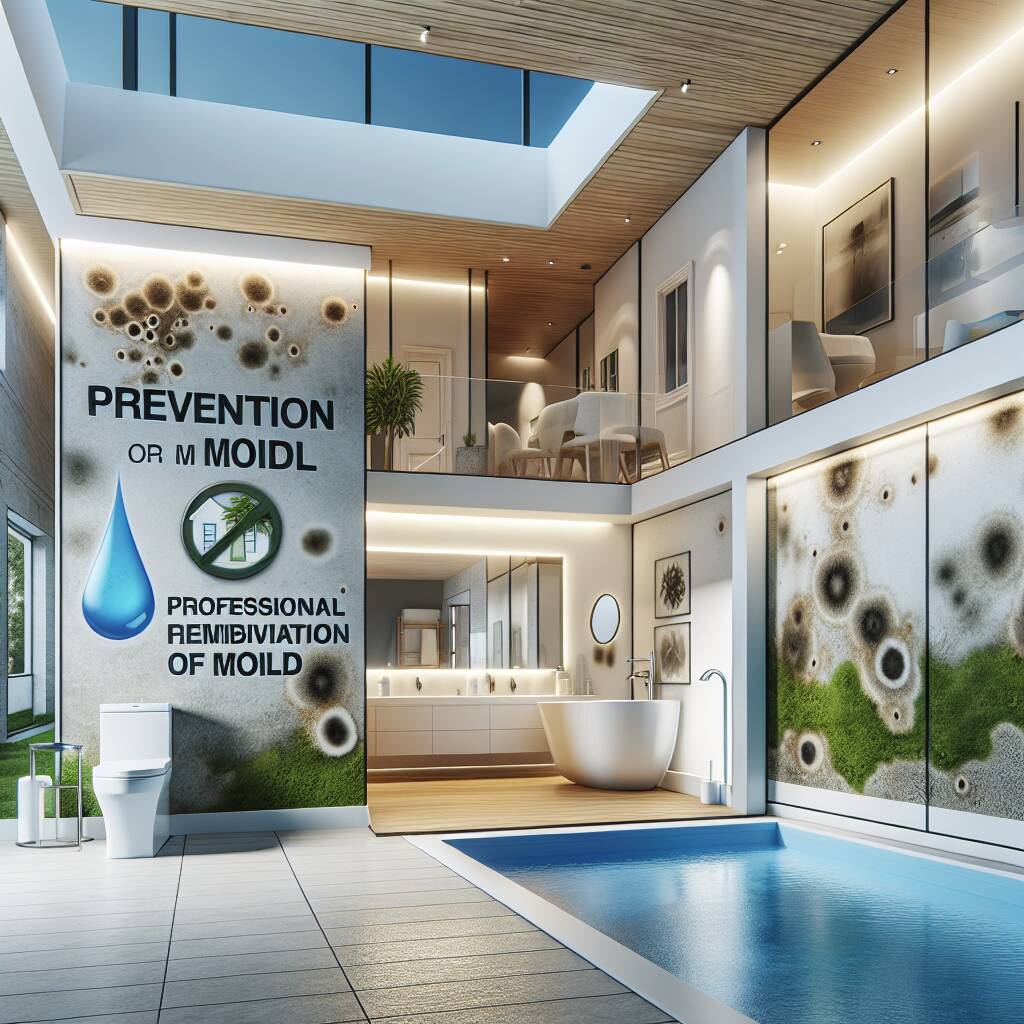
Expert bathroom mold prevention and removal solutions for Florida homes. Learn professional techniques to combat humidity and protect your health.
Why Bathroom Mold is a Critical Concern for Florida Property Owners
Florida’s subtropical climate creates the perfect storm for bathroom mold growth. With average humidity levels ranging from 70-80% year-round and temperatures consistently above 70°F, Florida bathrooms face unique challenges that make them prime breeding grounds for dangerous mold species.
Unlike other states where mold might be a seasonal concern, Florida property owners deal with persistent moisture conditions that can lead to serious health hazards and structural damage. Understanding effective mold prevention strategies and knowing when to seek professional intervention can save you thousands in remediation costs and protect your family’s health.
This comprehensive guide addresses the specific challenges Florida bathrooms face, from the high humidity in Miami beach condos to the aging infrastructure in Fort Lauderdale homes, providing actionable solutions for both prevention and professional remediation.
Understanding Florida’s Unique Bathroom Mold Challenges
The Science Behind Mold Growth in Florida Bathrooms
Mold requires three basic elements to thrive: moisture, organic materials, and temperatures between 68-86°F. Florida bathrooms provide all three in abundance. The state’s consistently warm temperatures and high humidity create ideal conditions, while common bathroom materials like wood, drywall, and grout provide the organic food sources mold needs.
In South Florida cities like West Palm Beach and Boca Raton, the combination of ocean proximity and urban heat islands can push indoor humidity even higher, making proper ventilation and moisture control absolutely critical.
Common Mold Species Found in Florida Bathrooms
Florida bathrooms commonly harbor several dangerous mold species:
- Stachybotrys chartarum (Black Mold): Thrives in consistently wet conditions and produces dangerous mycotoxins
- Aspergillus: Often appears as black or green spots and can cause severe respiratory issues
- Penicillium: Typically blue-green in color and spreads rapidly in humid conditions
- Cladosporium: Can grow in cooler conditions and often appears on bathroom tiles and fixtures
Each species requires specific remediation approaches, making professional mold testing and inspection essential for proper identification and treatment.
Comprehensive Prevention Strategies for Florida Bathrooms
Humidity Control: Your First Line of Defense
Maintaining indoor humidity below 50% is crucial for mold prevention. In Florida’s challenging climate, this requires multiple strategies:
Mechanical Ventilation: Install exhaust fans rated for your bathroom size (1 CFM per square foot minimum). Run fans during showers and for at least 30 minutes afterward. Many Florida building codes now require automatic humidity sensors that activate fans when moisture levels spike.
Natural Ventilation: When outdoor humidity permits, open windows to promote air circulation. However, during Florida’s rainy season, this strategy may be counterproductive.
Dehumidification: Consider installing a dedicated bathroom dehumidifier, especially in master bathrooms or spaces without adequate ventilation.
Water Management and Leak Prevention
Florida’s aging infrastructure and extreme weather conditions make water intrusion a constant threat:
Regular Inspections: Check caulking around tubs and showers monthly. Florida’s heat can cause caulk to crack and shrink, creating entry points for moisture.
Plumbing Maintenance: Have plumbing systems inspected annually. Pinhole leaks in copper pipes are common in Florida due to water chemistry and can create hidden moisture problems.
Immediate Response: Address any water damage within 24-48 hours. Florida’s climate accelerates mold growth, making rapid response critical.
Surface Treatment and Cleaning Protocols
Implement a proactive cleaning schedule using EPA-approved antimicrobial products:
Daily Maintenance: Wipe down shower walls and remove standing water. Use squeegees on glass surfaces to minimize moisture retention.
Weekly Deep Cleaning: Clean all surfaces with mold-preventing cleaners. Pay special attention to grout lines, which are particularly susceptible to mold growth.
Monthly Treatments: Apply preventive antimicrobial treatments to high-risk areas like shower corners and around fixtures.
Florida-Specific Considerations and Regulations
Building Code Requirements
Florida building codes have evolved to address mold concerns following major hurricanes and subsequent mold outbreaks. Key requirements include:
- Mandatory exhaust ventilation in all bathrooms
- Moisture-resistant materials in wet areas
- Proper waterproofing behind shower and tub surrounds
- Adequate insulation to prevent condensation
Insurance Implications
Florida insurance policies often have specific mold coverage limitations. Understanding your policy’s mold provisions is crucial, as many insurers exclude mold damage resulting from long-term moisture problems or maintenance issues.
Health Department Guidelines
The Florida Department of Health has established guidelines for mold remediation in residential properties. These standards are particularly relevant for rental properties and commercial facilities, requiring professional remediation for contamination exceeding specific thresholds.
Identifying When Professional Intervention is Necessary
Visual Indicators Requiring Professional Assessment
While small mold spots might be manageable with DIY methods, certain signs indicate the need for professional mold remediation services:
Extensive Coverage: Mold covering more than 10 square feet requires professional treatment Hidden Growth: Mold behind walls, under flooring, or in HVAC systems needs specialized equipment for safe removal Structural Damage: When mold has compromised drywall, wooden structures, or other building materials Recurring Growth: Mold that returns repeatedly despite cleaning efforts indicates underlying moisture problems
Health Symptoms Indicating Serious Contamination
Seek immediate professional help if occupants experience:
- Persistent respiratory symptoms
- Severe allergic reactions
- Headaches or neurological symptoms
- Worsening asthma or development of new respiratory issues
Professional Remediation Process
Licensed mold remediation professionals follow strict protocols:
- Containment: Isolate affected areas to prevent spore spread
- Air Filtration: Use HEPA filtration systems to clean the air
- Material Removal: Safely dispose of contaminated materials
- Treatment: Apply antimicrobial treatments to affected surfaces
- Restoration: Replace removed materials with mold-resistant alternatives
Advanced Solutions for Chronic Bathroom Mold Issues
Structural Modifications
Some Florida bathrooms require structural improvements to address chronic mold problems:
Enhanced Ventilation Systems: Installing more powerful exhaust fans or whole-house ventilation systems Moisture Barriers: Adding vapor barriers behind shower surrounds and in other high-moisture areas Material Upgrades: Replacing traditional drywall with mold-resistant alternatives like cement board or specialized moisture-resistant products
Technology Solutions
Modern technology offers additional tools for mold prevention:
Smart Humidity Monitors: Devices that alert homeowners to dangerous moisture levels Automatic Ventilation Controls: Systems that activate based on humidity levels rather than manual switches UV Light Systems: Germicidal UV lights that can be installed in HVAC systems to kill mold spores
Long-Term Maintenance and Monitoring
Seasonal Considerations for Florida Properties
Florida’s distinct wet and dry seasons require adjusted maintenance approaches:
Wet Season (May-October): Increase ventilation frequency, monitor humidity levels more closely, and conduct weekly moisture inspections Dry Season (November-April): Focus on maintenance tasks like re-caulking and addressing any damage from the previous wet season
Professional Maintenance Programs
Consider enrolling in professional maintenance programs that include:
- Annual moisture inspections
- HVAC system cleaning and maintenance
- Preventive treatments for high-risk areas
- Regular air quality testing
Take Action to Protect Your Florida Property
Don’t let bathroom mold compromise your property value or family health. Florida’s challenging climate demands proactive measures and professional expertise when problems arise.
If you’re experiencing persistent bathroom mold issues, recurring growth after cleaning, or any health symptoms that might be related to mold exposure, it’s time to call the professionals. Our certified mold remediation specialists understand Florida’s unique challenges and use state-of-the-art equipment and proven techniques to eliminate mold problems permanently.
Contact us today at 1-877-438-0914 for a comprehensive bathroom mold assessment. We provide free estimates, work with insurance companies, and guarantee our remediation results. Protect your investment and your family’s health with Florida’s trusted mold remediation experts.
Frequently Asked Questions
What causes mold to grow in Florida bathrooms?
How can I prevent mold growth in my bathroom?
When should I call a professional for bathroom mold removal?
Is bathroom mold dangerous to my health?
How long does professional bathroom mold remediation take?
Have Water Damage or Mold?
Tell us about your emergency and get immediate help. Serving Palm Beach, Broward & Miami-Dade 24/7.
Tell Us About Your Water Emergency