Bathroom Mold Removal in Florida: Complete Guide
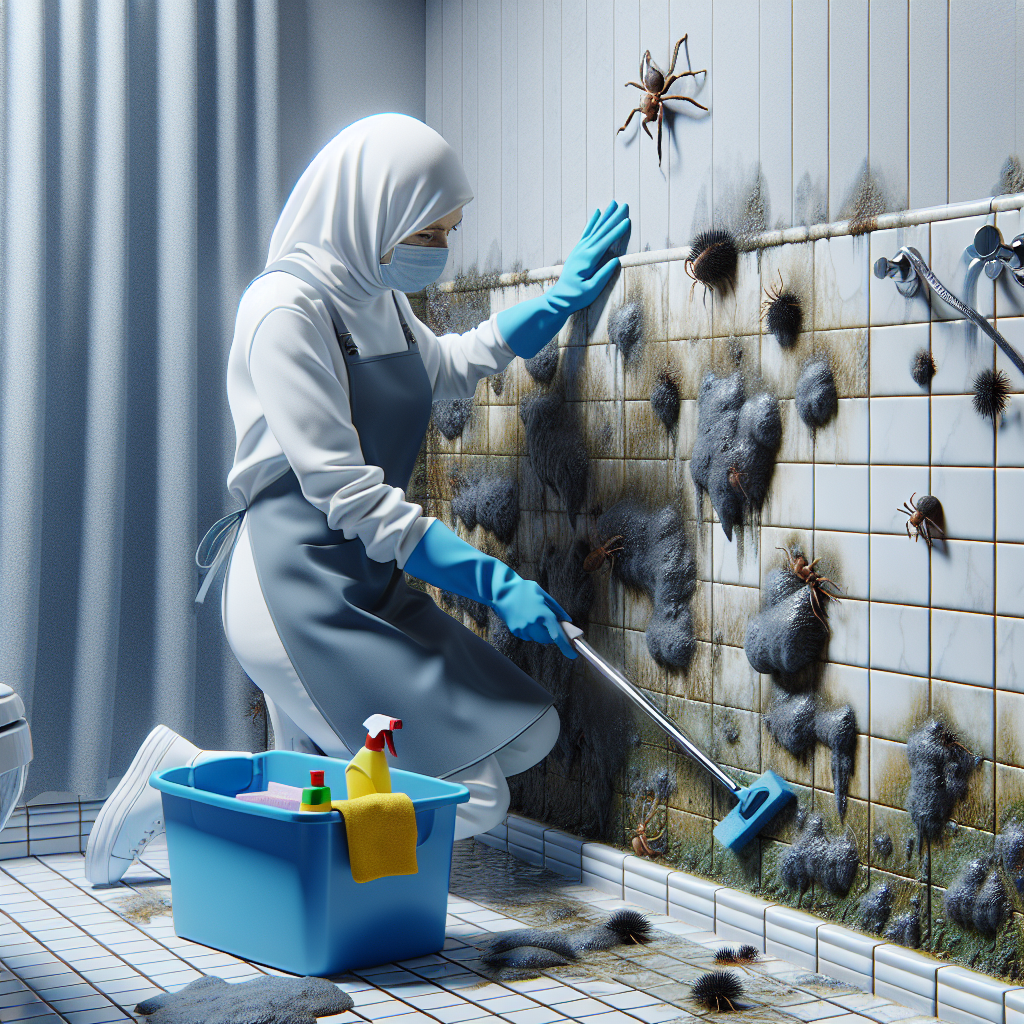
Expert bathroom mold removal services in Palm Beach, Broward & Miami-Dade. Professional solutions, pricing, and prevention. Call 954-231-0508.
Bathroom Mold Removal: A Complete Guide for Florida Homeowners
Introduction
Florida’s tropical climate creates the perfect breeding ground for mold growth, and nowhere is this more evident than in our bathrooms. With humidity levels regularly exceeding 60% and temperatures averaging 70-80°F year-round, bathrooms in Palm Beach, Broward, and Miami-Dade counties face constant moisture challenges. Bathroom mold isn’t just unsightly—it poses serious health risks and can compromise your home’s structural integrity if left untreated.
Understanding how to identify, remove, and prevent bathroom mold is essential for every Florida homeowner. Whether you’re dealing with a small patch of mildew or a more extensive contamination problem, taking swift action protects your family’s health and your property investment. This comprehensive guide will walk you through everything you need to know about bathroom mold removal in Florida’s unique environment.
Understanding Bathroom Mold in Florida’s Climate
Why Florida Bathrooms Are Mold Magnets
Florida’s subtropical and tropical climate zones create year-round conditions that mold thrives in. Unlike northern states where seasonal changes provide natural breaks in mold growth, South Florida maintains consistently high humidity levels throughout the year. Bathrooms amplify these conditions with hot showers, poor ventilation, and standing water—creating what experts call the “perfect storm” for mold colonization.
The most common bathroom mold species in Florida include Cladosporium, Aspergillus, and the notorious black mold (Stachybotrys chartarum). These organisms can begin growing within 24-48 hours of water exposure, making rapid response crucial. Palm Beach, Broward, and Miami-Dade residents often discover mold on shower tiles, grout lines, ceilings, walls, under sinks, and around window frames.
Health Risks Associated with Bathroom Mold
Exposure to bathroom mold can trigger various health issues, particularly for vulnerable populations including children, elderly individuals, and those with respiratory conditions. Common symptoms include persistent coughing, sneezing, eye irritation, skin rashes, and worsening asthma symptoms. Prolonged exposure to certain mold species can lead to more serious respiratory infections and allergic reactions.
Florida’s high mold spore counts mean that even small bathroom infestations can quickly impact indoor air quality throughout your entire home. The confined space of bathrooms concentrates mold spores, which then circulate through HVAC systems to other rooms. This makes addressing bathroom mold promptly not just a localized concern but a whole-home health priority.
Identifying Mold in Your Bathroom
Visual Signs of Mold Growth
Bathroom mold typically appears as discolored patches ranging from black, green, brown, or even pink. Common locations include shower corners, ceiling joints, behind toilets, under sink cabinets, and along window sills. Pay special attention to grout lines, caulking, and any areas where moisture tends to accumulate.
Don’t confuse surface dirt or soap scum with mold. Actual mold growth often has a fuzzy or slimy texture and spreads in irregular patterns. If you see discoloration that returns shortly after cleaning, you’re likely dealing with active mold growth rather than simple staining.
The Musty Odor Test
A persistent musty, earthy smell in your bathroom strongly indicates mold presence—even when you can’t see visible growth. This odor comes from microbial volatile organic compounds (MVOCs) that mold releases during reproduction. If your bathroom smells musty despite regular cleaning, mold may be hiding behind walls, under flooring, or in other concealed areas.
Hidden Mold Locations
Not all bathroom mold is immediately visible. Check these commonly overlooked areas:
- Behind shower walls and tiles
- Under vinyl flooring or bathroom rugs
- Inside bathroom exhaust fan housings
- Behind bathroom wallpaper
- Under sink cabinets and around pipe connections
- Inside toilet tanks
- Behind or under bathtub fixtures
DIY Bathroom Mold Removal Methods
When DIY Cleaning Is Appropriate
Small mold patches (less than 10 square feet) without significant water damage can often be addressed with DIY methods. However, Florida homeowners should understand that high humidity makes mold recurrence likely without addressing underlying moisture issues. DIY removal works best for surface mold on non-porous materials like tile, glass, and metal fixtures.
Effective Cleaning Solutions
Several cleaning solutions effectively kill bathroom mold:
-
Vinegar Solution: Undiluted white vinegar kills about 82% of mold species. Spray directly on moldy surfaces, let sit for one hour, then scrub and rinse.
-
Hydrogen Peroxide: A 3% solution works well on porous and non-porous surfaces. Spray, wait 10 minutes, scrub thoroughly, and wipe clean.
-
Baking Soda Mix: Combine one-quarter tablespoon baking soda with water in a spray bottle. This solution kills mold and absorbs moisture to prevent regrowth.
-
Borax Solution: Mix one cup borax with one gallon of water. Unlike other solutions, don’t rinse borax away—it provides ongoing protection.
DIY Removal Safety Protocol
Always protect yourself during mold removal:
- Wear N95 respirator masks to avoid inhaling spores
- Use rubber gloves extending to mid-forearm
- Wear eye protection to prevent spore contact
- Ensure adequate ventilation by opening windows and running exhaust fans
- Seal off the bathroom from other rooms to prevent spore spread
- Dispose of contaminated materials in sealed plastic bags
Limitations of DIY Approaches
DIY methods have clear limitations. If mold returns within weeks, covers large areas, appears behind walls, or resulted from sewage backup or significant water damage, professional remediation becomes necessary. Florida’s persistent humidity means that without proper moisture control and thorough removal, mold will likely return regardless of how well you clean.
Professional Mold Remediation Services
When to Call the Professionals
Professional mold remediation becomes essential in several scenarios:
- Mold coverage exceeding 10 square feet
- Mold growth on porous materials like drywall or insulation
- Hidden mold behind walls or under flooring
- Recurring mold despite repeated cleaning attempts
- Water damage from flooding or plumbing failures
- Presence of toxic black mold
- Health symptoms worsening despite cleaning efforts
- Pre-sale home inspections revealing mold issues
The Professional Remediation Process
Licensed mold remediation specialists in Palm Beach, Broward, and Miami-Dade counties follow strict protocols:
-
Assessment and Inspection: Professionals identify all affected areas, including hidden mold, using moisture meters and thermal imaging cameras.
-
Containment: Physical barriers and negative air pressure prevent mold spores from spreading during removal.
-
Air Filtration: HEPA filtration systems capture airborne spores throughout the remediation process.
-
Removal: Contaminated materials are safely removed and non-porous surfaces are thoroughly cleaned with antimicrobial treatments.
-
Drying and Dehumidification: Industrial equipment reduces moisture levels to prevent regrowth.
-
Restoration: Damaged materials are replaced, and surfaces are treated with mold-resistant products.
-
Testing: Post-remediation testing confirms successful mold elimination.
Choosing a Florida Mold Remediation Company
Select remediation professionals with proper licensing, insurance, and certifications from organizations like the Institute of Inspection, Cleaning and Restoration Certification (IICRC). Request references, verify their experience with Florida’s specific mold challenges, and ensure they provide detailed written estimates and guarantees.
Don’t wait until bathroom mold becomes a major problem. If you’re in Palm Beach, Broward, or Miami-Dade counties and need professional assessment or remediation services, call 954-231-0508 today for a comprehensive mold inspection.
Preventing Bathroom Mold Recurrence
Humidity Control Strategies
Controlling moisture is the single most important mold prevention strategy for Florida bathrooms:
- Run exhaust fans during showers and for 30 minutes afterward
- Keep bathroom doors open after use to promote air circulation
- Use dehumidifiers to maintain humidity below 50%
- Fix all plumbing leaks immediately
- Wipe down shower walls after each use
- Wash bathroom rugs and shower curtains regularly
- Open windows when weather permits for natural ventilation
Structural Improvements
Long-term mold prevention often requires bathroom modifications:
- Install higher-capacity exhaust fans (rated for your bathroom size)
- Upgrade to mold-resistant drywall and paint
- Replace deteriorated caulking and grout
- Improve bathroom insulation to reduce condensation
- Install water leak detection systems
- Consider whole-home dehumidification systems
Regular Maintenance Schedule
Implement a consistent bathroom maintenance routine:
- Weekly cleaning with mold-preventing solutions
- Monthly inspection of grout, caulking, and under-sink areas
- Quarterly exhaust fan cleaning
- Annual professional HVAC maintenance
- Immediate response to any water intrusion or leaks
Florida-Specific Prevention Tips
South Florida’s climate demands extra vigilance:
- During summer months, increase exhaust fan usage and cleaning frequency
- Monitor bathrooms during hurricane season for roof leaks or water intrusion
- Address condensation issues immediately—Florida’s temperature differentials create significant condensation
- Consider whole-house dehumidification during the humid season (May through October)
- Use mold-resistant shower curtains and liners designed for high-humidity environments
Understanding Florida Mold Laws and Insurance
Disclosure Requirements
Florida Statute 404.056 requires mold assessments and remediation to be performed by licensed professionals under certain circumstances. If you’re selling a home in Palm Beach, Broward, or Miami-Dade counties, failure to disclose known mold problems can lead to legal liability. Proper documentation of professional remediation protects both buyers and sellers.
Insurance Coverage Considerations
Homeowners insurance policies vary significantly in mold coverage. Many Florida policies limit mold coverage or exclude it entirely. Review your policy carefully and document all water damage incidents immediately. Insurance typically covers mold resulting from “sudden and accidental” water damage but excludes mold from neglect or maintenance issues.
The Importance of Documentation
Whether pursuing DIY cleaning or professional remediation, document everything:
- Photograph all affected areas before, during, and after treatment
- Keep receipts for all cleaning supplies and equipment
- Maintain records of professional inspections and remediation
- Document moisture readings and environmental conditions
- Save all correspondence with insurance companies
This documentation proves invaluable for insurance claims, real estate transactions, and demonstrating proper maintenance to future buyers.
Conclusion: Protecting Your Florida Home from Bathroom Mold
Bathroom mold represents a persistent challenge for Florida homeowners, but it’s not insurmountable. Understanding the unique factors that contribute to mold growth in Palm Beach, Broward, and Miami-Dade counties empowers you to take proactive steps to protect your home and family. Whether addressing current mold problems or implementing prevention strategies, swift action and proper technique make all the difference.
Remember that while small surface mold may respond to DIY treatment, extensive growth, hidden mold, or recurring problems require professional expertise. Florida’s climate means that half-measures rarely succeed—thorough remediation and moisture control provide the only path to lasting mold elimination.
Your family’s health and your home’s value are too important to risk. If you’re dealing with bathroom mold in Palm Beach, Broward, or Miami-Dade counties, contact licensed professionals who understand Florida’s unique challenges. Call 954-231-0508 now for expert mold assessment and remediation services. Don’t let bathroom mold compromise your home—take action today to breathe easier tomorrow.
Questions About Mold?
Our certified mold remediation specialists are here to help. Call anytime for a free consultation.
Call 954-231-0508 NowNeed Professional Mold Remediation?
Serving all of Palm Beach, Broward & Miami-Dade counties with 24/7 emergency service.
📞 954-231-0508 - Call Now